


Emergency Hotline:
(+63) 2 911 – 8688


MANILA, Philippines — Malacañang on Tuesday clarified that President Ferdinand Marcos Jr.’s serenade for First Lady Liza Araneta-Marcos during her birthday celebration was not held at the height of the heavy rains and flooding that affected Metro Manila and parts of Central Luzon.
Palace Press Officer Undersecretary Claire Castro issued the clarification following criticism over videos circulating online showing the President singing during the First Lady’s post-birthday celebration.
The event was held on August 26, days after the First Lady turned 67 on August 21.
Castro said the President had already attended to his official duties before joining the private celebration that evening.
She added that while Marcos spent time with his family, he continued monitoring weather conditions and developments that could affect the public.
“Hindi po iyan ang katotohanan. At the time na nagkaroon ng paghaharana ang Pangulo, gabi po ‘yan matapos na magtrabaho ang Pangulo,” Castro said.
According to the Palace official, the serenade did not take place during the height of the heavy rains or severe flooding in Metro Manila and Central Luzon.
The Palace also acknowledged the disappointment expressed by some members of the public who viewed the President’s appearance at the celebration as insensitive amid the effects of the southwest monsoon or Habagat.
Castro said Malacañang understands the criticism, particularly from those who believed the celebration coincided wit the worst of the flooding.
“Doon po sa mga nagkaroon ng kanilang disappointment dahil insensitive, hindi po natin sila masisisi kung iyon ang dumating sa kanila na narrative. So naiintindihan po namin kayo dahil iba po iyong kuwentong naipalabas,” she said.
Malacañang maintained that Marcos did not neglect his duties and continued monitoring the situation while government agencies responded to communities affected by the bad weather.
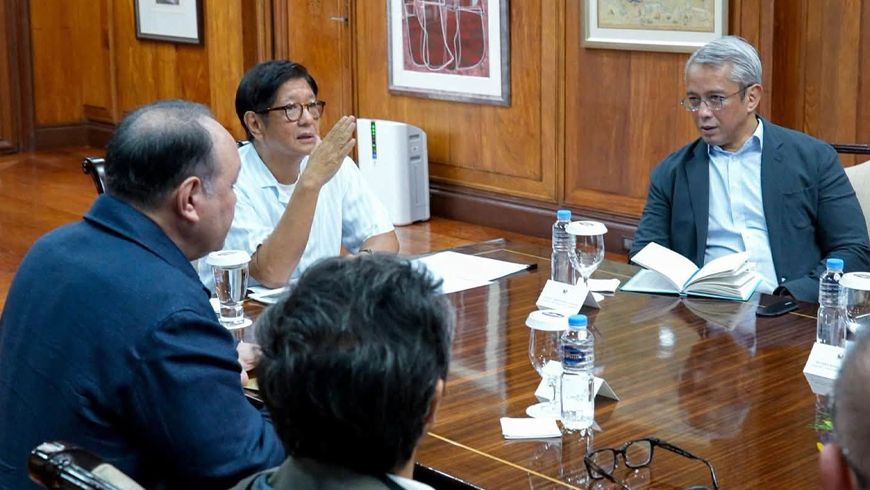
MANILA — President Ferdinand Marcos Jr. has ordered government agencies and local government units to strictly enforce “no-build zones” and strengthen disaster preparedness as severe flooding continues to affect parts of Central Luzon and Metro Manila.
Palace Press Officer Undersecretary Claire Castro said the President issued the directive during a Cabinet meeting on the flooding situation and the government’s health response on Monday, August 31.
Marcos also directed agencies to factor climate change into long-term planning, citing increasingly intense rainfall and flooding not only in the Philippines but in other countries.
“Dapat ipatupad ang batas pati ang ‘no build zone’. Huwag nang mamulitika, ipatupad ang batas,” Castro quoted the President as saying.
The Palace said local government units must strictly enforce restrictions on construction in flood-prone areas, maintain waterways, ensure regular garbage collection and coordinate with national agencies on disaster preparedness.
Marcos also cited old urban master plans for Metro Manila and Cebu that, according to the Palace, were never fully implemented. Castro said some areas that could have remained open spaces capable of absorbing excess rainwater are now occupied by infrastructure.
The President also wants climate change preparedness incorporated into education so students can learn how to respond to climate-related risks at an early age.
At the community level, residents were urged to properly dispose of waste and help keep drainage systems and waterways clear.
During the same meeting, Marcos received updates on rescue, evacuation, relief and health operations in flood-hit areas. The government said assistance continues to be delivered to affected communities, including isolated areas in Central Luzon.
More than P618 million in humanitarian assistance has been provided to Tarlac, Pampanga and Bulacan, while total assistance across Central Luzon has reached over P874 million, according to the Palace.
Marcos also directed agencies to remain prepared for health risks such as leptospirosis and to immediately repair damaged roads, bridges, dikes and other flood-control infrastructure.
The President stressed that disaster preparedness should go beyond emergency response as climate-related hazards become more severe.
“Ang utos ni Pangulong Marcos Jr., huwag tayong magpakampante,” Castro said.
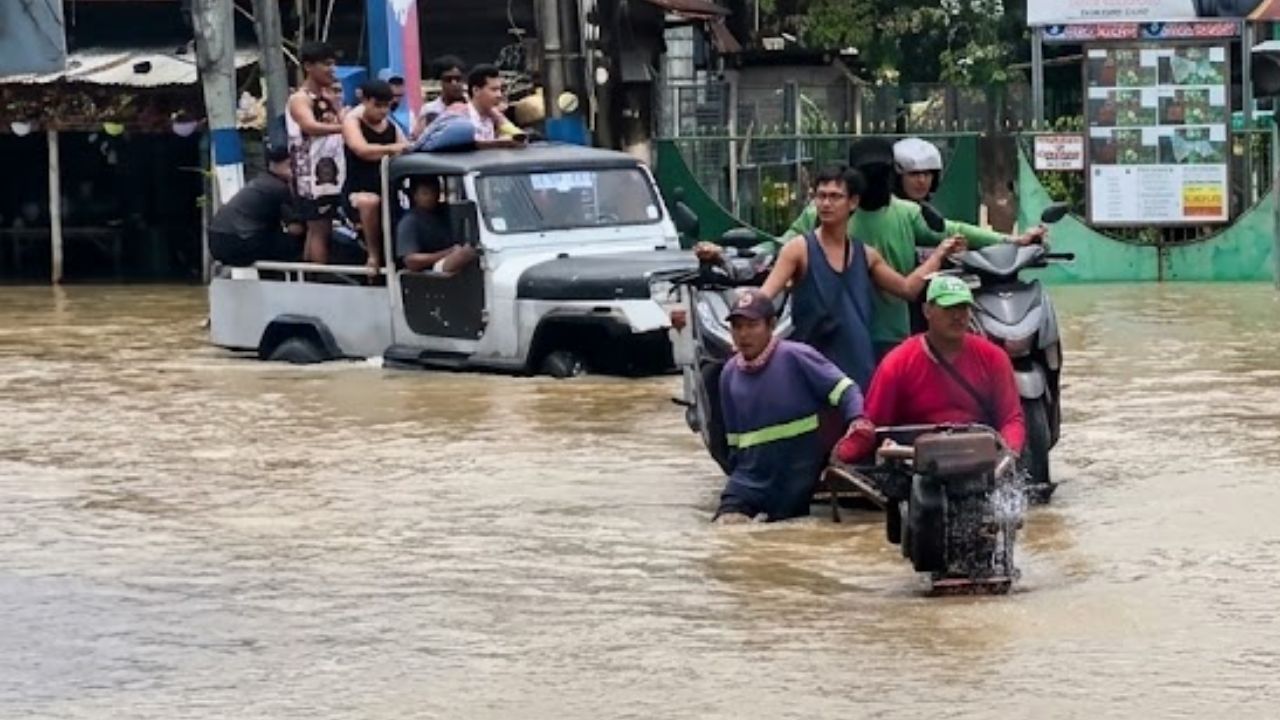
MANILA — Malacañang said the country’s recurring flooding is the result of decades of shortcomings in urban planning and flood-control implementation, and should not be blamed solely on the administration of President Ferdinand Marcos Jr.
Palace Press Officer Undersecretary Claire Castro said the problem has accumulated over several administrations, citing experts who estimate that proper planning and infrastructure measures have not been fully implemented for around 40 years.
“We do not want to point fingers at who is at fault or who is responsible for doing the work because the problem was not caused by something that happened only recently or within the past three years,” Castro said during a Palace briefing Tuesday.
She said the Marcos administration inherited long-standing problems, including alleged negligence and questionable or “ghost” flood-control projects, and is now directing government agencies to address them. Investigations into alleged ghost and substandard flood-control projects have remained ongoing, with some cases already progressing through the courts.
Castro made the statement after being asked why severe flooding continues in Pampanga and Bulacan despite the long presence of established political families in the affected areas.
She rejected efforts to place responsibility solely on particular local officials, saying the immediate priority is to implement measures that can reduce flooding. However, she stressed that local governments also have a responsibility to enforce flood-mitigation measures.
The Palace has also cited long-standing gaps in urban planning. Marcos recently noted that master plans for Metro Manila and Cebu date back to 1941 and 1936, respectively, but were not fully implemented. He has ordered agencies and local governments to strengthen disaster preparedness, enforce “no-build zones” and factor climate change into development planning.
The statements come as severe flooding continues to affect parts of Central Luzon and Metro Manila following heavy rains from the Southwest Monsoon.
MANILA — Malacañang said the government is not considering sanctions against North Luzon Expressway management for now despite complaints over motorists being stranded for hours due to severe flooding.
Palace Press Officer Claire Castro said possible penalties were not discussed during President Ferdinand Marcos Jr.’s meeting with concerned officials on Monday.
“No sanctions were discussed. The President’s proposal focuses on how to assist our fellow citizens who got stranded on NLEX,” Castro said.
Questions over possible sanctions arose after motorists complained that vehicles were still allowed to enter the expressway despite worsening flooding and traffic conditions.
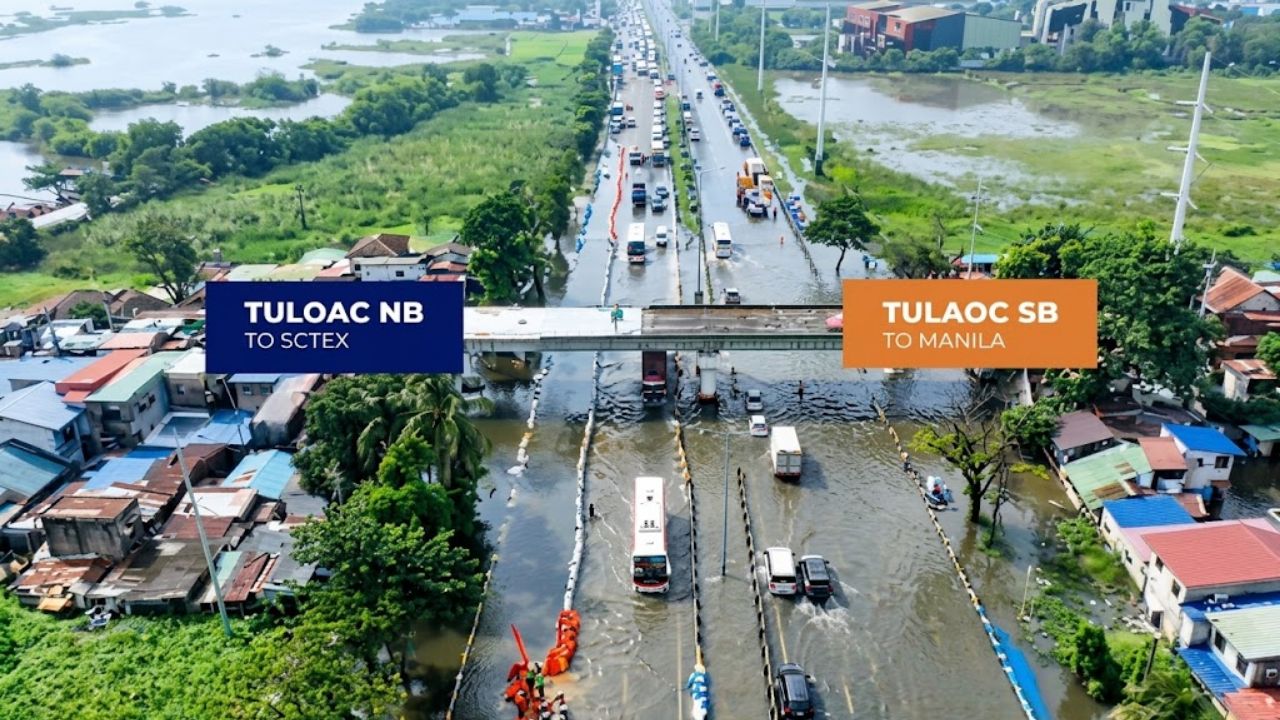
Severe flooding in parts of NLEX, particularly in Tulaoc and near the San Simon Interchange in Pampanga, caused hours-long traffic congestion as water from the overflowing Pampanga River affected portions of the expressway.
Castro said the President’s immediate priority is to ease the situation of motorists trapped along the highway rather than determine possible penalties against NLEX management.
“Imposing sanctions is not the President’s priority right now; rather, it is the welfare of our motorists,” she said.
The Palace also acknowledged an earlier proposal by Marcos to use a portion of the Candaba Swamp as a water-impounding area to help reduce flooding in Pampanga.
Castro said the proposal previously faced opposition due to concerns that agricultural lands could be affected.
She added that the government may review the implications of the earlier opposition but stressed that the administration is not seeking to assign blame.
The Palace said other flood-mitigation measures may still be considered to help address the recurring flooding affecting Pampanga and major transport routes such as NLEX.
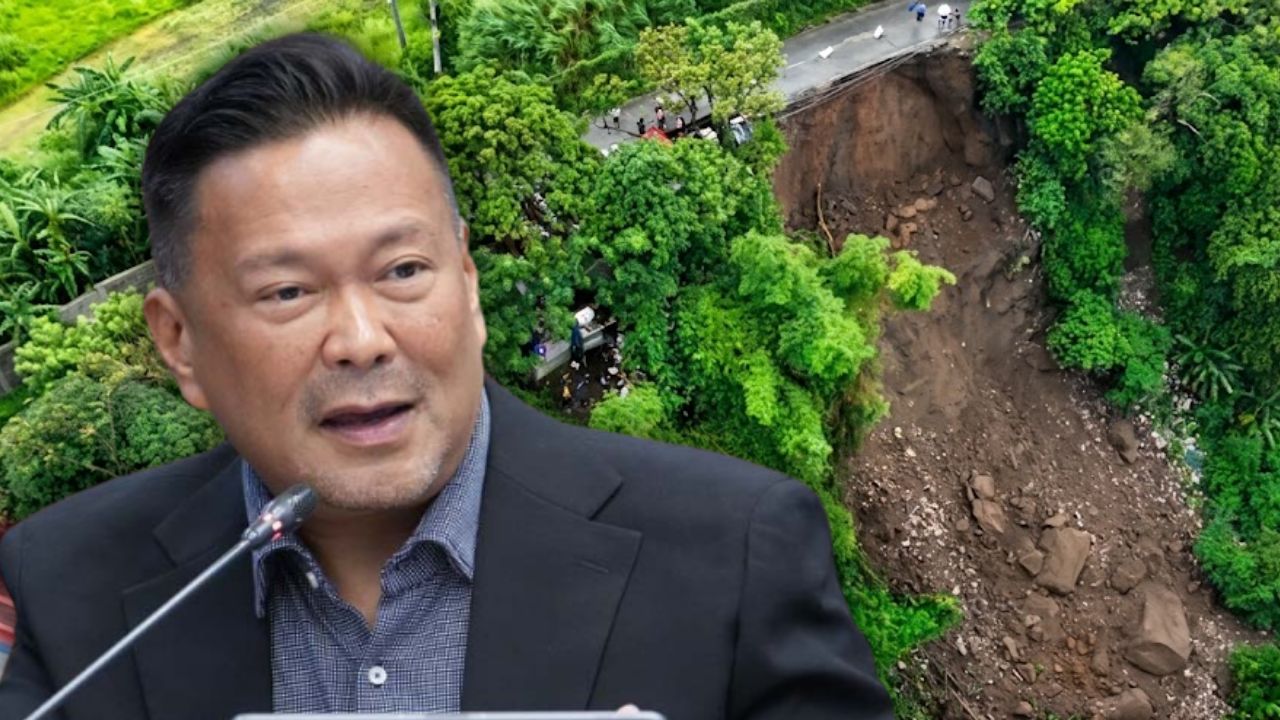
MANILA — The Senate is considering prioritizing the repair and rehabilitation of bridges and other vital infrastructure damaged by recent Southwest Monsoon rains in the proposed P7.2-trillion national budget for 2027.
Senate Committee on Finance chairperson JV Ejercito said Tuesday that he would ask the Department of Public Works and Highways to submit estimates of infrastructure damage caused by the recent monsoon rains.
Ejercito said the figures would help lawmakers determine how much funding should be allocated for repairs and rehabilitation.
“We would like to ask for agency estimates of the infrastructure damage that has been done by itong mga habagat, itong mga monsoon rains the past months para po malagyan na po natin ng pondo,” he said.
He cited reports of major bridges damaged in Tarlac and the broader impact of severe weather in Central Luzon.
According to Ejercito, infrastructure that is critical to economic activity should be given priority if additional spending becomes necessary.
“If we need to spend, let us prioritize the infrastructure that are vital in the economic activity of every province or LGU,” he said.
The Senate, however, faces the challenge of finding additional funding within limited fiscal space.
Ejercito said allocations for some programs may need to be reduced or redirected to finance urgent infrastructure repairs.
“We need to cut from other areas, so we will scrutinize where we can source the funds and where we can redirect them, especially for important, vital infrastructure,” he said.
Ejercito earlier said the 2027 budget process would be difficult because the government must balance spending priorities with debt and other financial obligations.
He stressed that Congress must ensure that “every peso counts” as lawmakers decide which programs and projects should receive funding.
