


Emergency Hotline:
(+63) 2 911 – 8688




MANILA — The Senate impeachment court has tightened its rules on communication devices during the impeachment trial of Vice President Sara Duterte after an AI-generated image falsely showed a witness wearing an earpiece while testifying.
Senate Impeachment Trial Court Presiding Officer Senator Francis “Chiz” Escudero on Tuesday ordered court personnel to collect communication-capable devices from witnesses before they take the stand and require them to expressly confirm that they understand and will follow the court’s rules.
The directive came after an altered image of Office of the Vice President Assistant Secretary and Assistant Chief of Staff Lemuel Ortonio circulated online, appearing to show him wearing an earpiece during his testimony last week.
Escudero clarified that Ortonio was not using an earpiece.
“Again, to reiterate, what he had was a front-fold helix. An ear piercing in the front-fold helix of his ear, not an earpiece,” Escudero said.
Ortonio testified before the impeachment court on August 25 as a prosecution witness in connection with the OVP’s use of confidential funds. He was later declared a hostile witness.
Under the court’s rules, witnesses are prohibited from using earpieces, headsets, cellphones, smartwatches, smart glasses and other devices capable of transmitting or receiving information.
Witnesses are also barred from receiving any communication, suggestion, answer, signal, message or prompt from anyone inside or outside the impeachment court while they are testifying.
The restriction will remain in effect even during recesses until the witness is formally discharged by the court.
Escudero stressed that every witness must testify solely based on their own knowledge and without coaching or outside influence.
The impeachment court clerk has been directed to inform witnesses of the restrictions, secure prohibited devices before they are sworn in, and place on record their confirmation that they understand the rules.
Violations may be dealt with using the impeachment court’s disciplinary powers.
The directive took effect immediately and will apply to succeeding witnesses in Duterte’s impeachment trial.
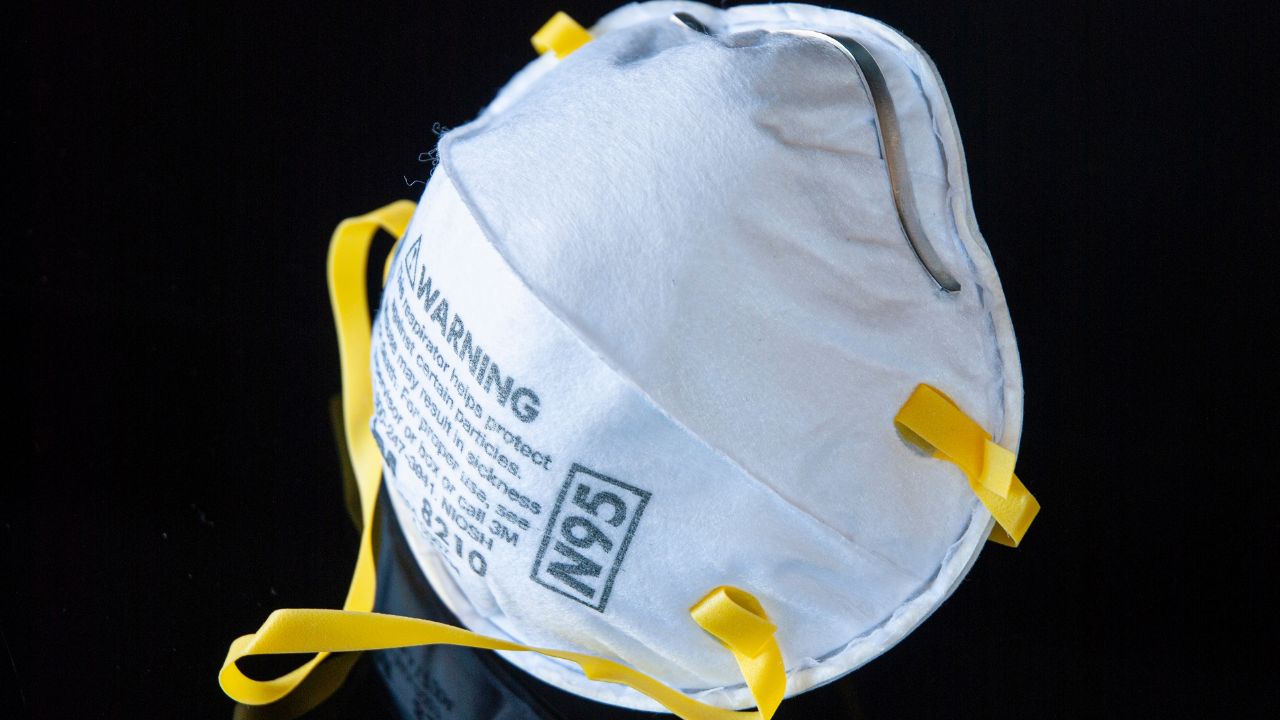
MANILA — The Department of Health (DOH) has advised the public to wear N95 masks and limit outdoor activities as haze from forest fires in Kalimantan, Indonesia, reaches parts of Luzon and the Visayas.
In an advisory issued Tuesday, September 1, the DOH warned that haze contains fine smoke, dust and ash that may cause breathing problems, coughing, chest pain, eye irritation and worsening of respiratory conditions such as asthma.
The agency said children, senior citizens and people with pre-existing heart or lung conditions should take extra precautions because they are more vulnerable to the effects of poor air quality.
To reduce exposure, the DOH advised residents in affected areas to stay indoors as much as possible, keep indoor spaces sealed, and avoid unnecessary prolonged outdoor activities.
Those who need to go outside are advised to wear N95 masks. If these are unavailable, the DOH said a damp handkerchief or cloth, double-masking, or folding a cloth twice may be used as alternative protection to help reduce particle inhalation.
The haze has been linked to forest fires in Kalimantan, Indonesia, with smoke carried toward the Philippines by the Southwest Monsoon or Habagat.
The DOH also reminded the public to monitor air quality in their area and prioritize safety, especially when haze becomes thick or visibility is reduced.
Those who experience severe difficulty breathing or other urgent symptoms are advised to seek immediate medical assistance or call the National Emergency Hotline 911.
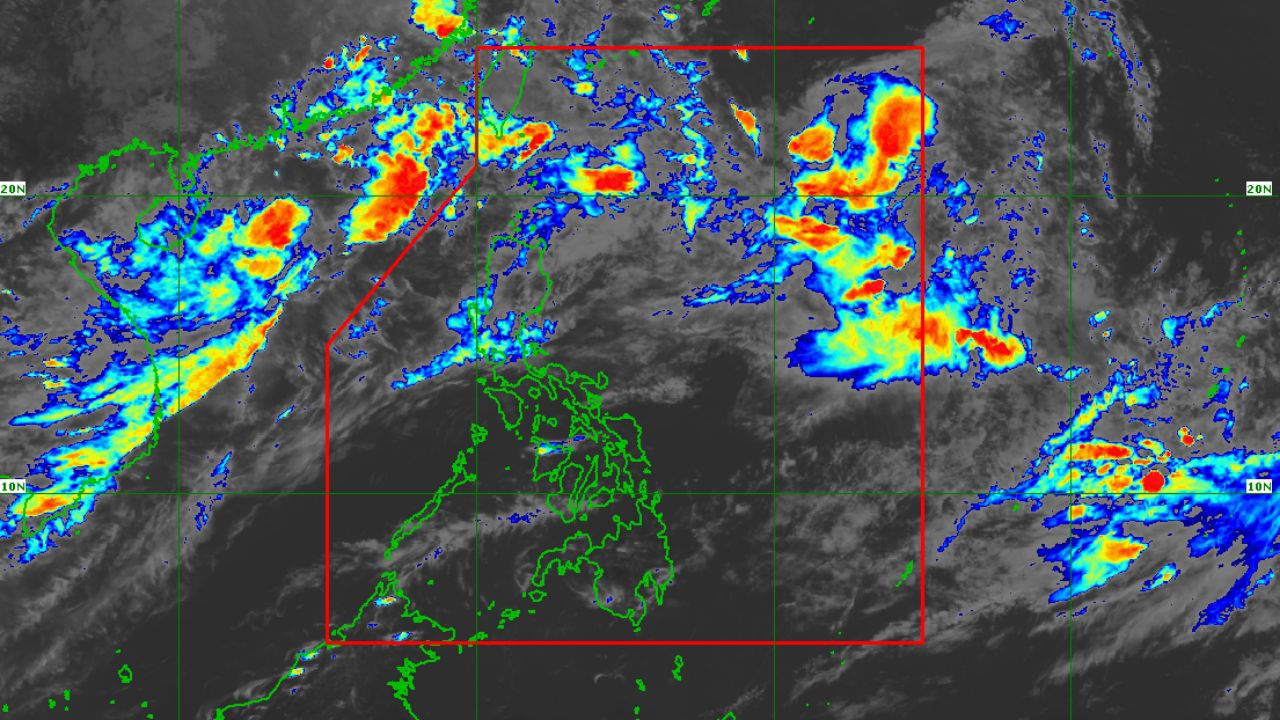
MANILA, Philippines — Pilandok has intensified into a tropical storm, but no Tropical Cyclone Wind Signal has been raised over any part of the country, according to PAGASA.
In its 11AM bulletin on Tuesday, September 1, PAGASA said Tropical Storm Pilandok, with the international name Krovanh, was packing maximum sustained winds of 65 kilometers per hour near the center and gustiness of up to 80 kph.
The center of the storm was located about 1,060 kilometers east of Extreme Northern Luzon and was moving almost stationary.
PAGASA said Pilandok remains unlikely to make landfall and is expected to stay far from the Philippine landmass. The weather bureau forecasts the storm to exit the Philippine Area of Responsibility by Thursday morning based on its latest track.
Despite Pilandok staying offshore, the Southwest Monsoon or Habagat will continue to bring strong to gale-force gusts over most of Luzon and the Visayas, as well as parts of Mindanao including Zamboanga del Norte, Misamis Occidental, Lanao del Norte, Misamis Oriental, Camiguin, Dinagat Islands, Davao Occidental and Davao Oriental.
A gale warning also remains in effect over the northern and western seaboards of Northern Luzon.
PAGASA advised the public and local disaster risk reduction offices to continue monitoring weather advisories and take precautionary measures in areas vulnerable to heavy rains, strong winds and rough seas.
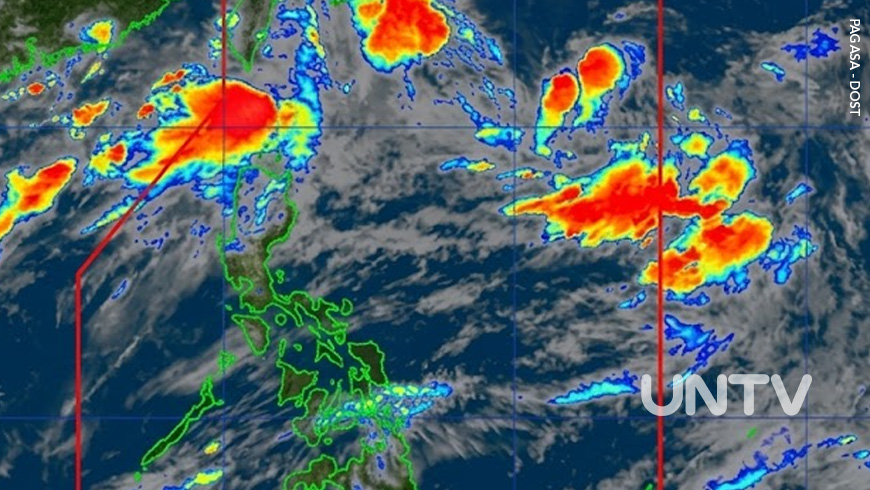
MANILA — Tropical Depression Pilandok may strengthen into a tropical storm within the next 12 hours, according to the Philippine Atmospheric, Geophysical and Astronomical Services Administration (PAGASA).
In its 5AM bulletin Tuesday, September 1, PAGASA said Pilandok maintained maximum sustained winds of 55 kilometers per hour near the center and gustiness of up to 70 kph.
The tropical depression was located about 1,050 kilometers east of Extreme Northern Luzon and was moving west-northwestward at 10 kph.
No Tropical Cyclone Wind Signal has been raised over any part of the country.
PAGASA said Pilandok remains unlikely to make landfall and is expected to stay far from the Philippine landmass. The weather bureau earlier said the cyclone could exit the Philippine Area of Responsibility by Wednesday afternoon or evening, although its forecast track may still change.
Despite Pilandok remaining far offshore, the Southwest Monsoon or Habagat will continue to affect large parts of the country.
Strong to gale-force gusts are expected over most of Luzon and the Visayas, as well as parts of Mindanao including Zamboanga del Norte, Misamis Occidental, Lanao del Norte, Misamis Oriental, Camiguin, Dinagat Islands, Davao Occidental and Davao Oriental.
A gale warning is also in effect over the northern and western seaboards of Northern Luzon.
Heavy rains due to the Habagat are expected over Ilocos Norte, Ilocos Sur, La Union, Pangasinan, Batanes, Abra, Benguet, Zambales and Bataan.
PAGASA advised residents in areas vulnerable to flooding and landslides to remain alert and monitor local weather advisories.
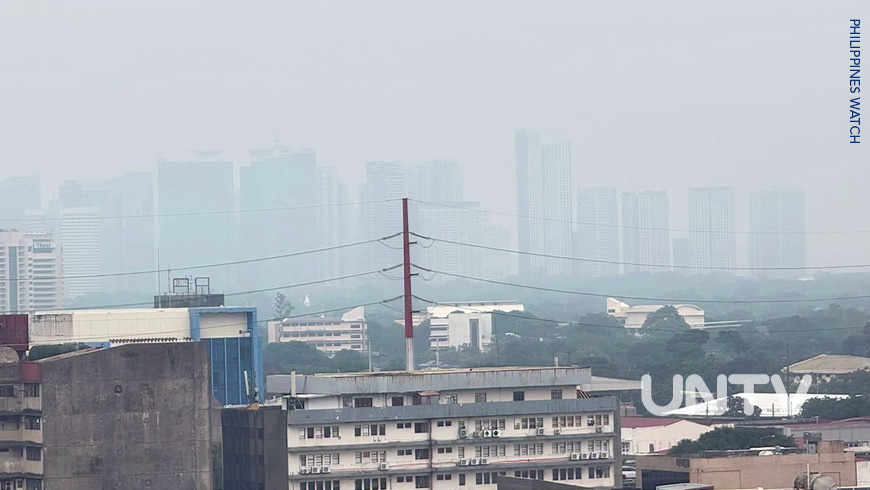
MANILA — Haze blanketed parts of Metro Manila, Calabarzon and Mimaropa on Monday, with the Department of Environment and Natural Resources-Environmental Management Bureau (DENR-EMB) saying the poor air quality may be linked to ongoing forest and land fires in Kalimantan, Indonesia.
The smoke is believed to have been carried toward the Philippines by prevailing winds, including the Southwest Monsoon or Habagat, allowing haze from Indonesia to travel across parts of the region.
The DENR-EMB said it is continuously monitoring air quality through its network of monitoring stations to assess the extent and possible effects of the haze.
In Metro Manila, air quality deteriorated significantly in several areas.
Parañaque and Las Piñas were classified as having “acutely unhealthy” PM2.5 levels, while Quezon City, Malabon, Mandaluyong, Manila, Marikina, Muntinlupa, Pasay, San Juan, Taguig and Valenzuela recorded “very unhealthy” levels.
Makati, Navotas and Pateros, meanwhile, were classified as “unhealthy for sensitive groups.”
PM2.5 refers to fine particulate matter small enough to penetrate deep into the lungs. Sources can include vehicle emissions, industrial activity, wildfires and biomass burning.
The Quezon City government has issued an air quality advisory, urging children, senior citizens, pregnant women and people with heart or respiratory conditions to wear face masks when going outside. Residents were also advised to remain indoors as much as possible while air quality remains poor.
Apart from Metro Manila, DENR-EMB said haze has also affected portions of Calabarzon and Mimaropa. Other parts of Luzon and the Visayas may also experience hazy conditions depending on wind direction and weather conditions.
Forest and land fires have intensified in parts of Indonesia, particularly Central and West Kalimantan, where air pollution has reached hazardous levels in some areas. Copernicus Atmosphere Monitoring Service earlier reported significant fire activity over Borneo and noted that wildfire smoke had already spread across parts of Southeast Asia.
Exposure to high concentrations of fine particulate matter may cause eye and throat irritation and worsen breathing problems, particularly among people with asthma, heart disease and other respiratory conditions.
The public is advised to limit outdoor activity when air quality is poor, keep doors and windows closed when possible, and wear a well-fitting face mask if going outside is necessary.
Authorities are expected to continue monitoring the haze, with rainfall potentially helping reduce airborne particles and improve air quality.
