


Emergency Hotline:
(+63) 2 911 – 8688


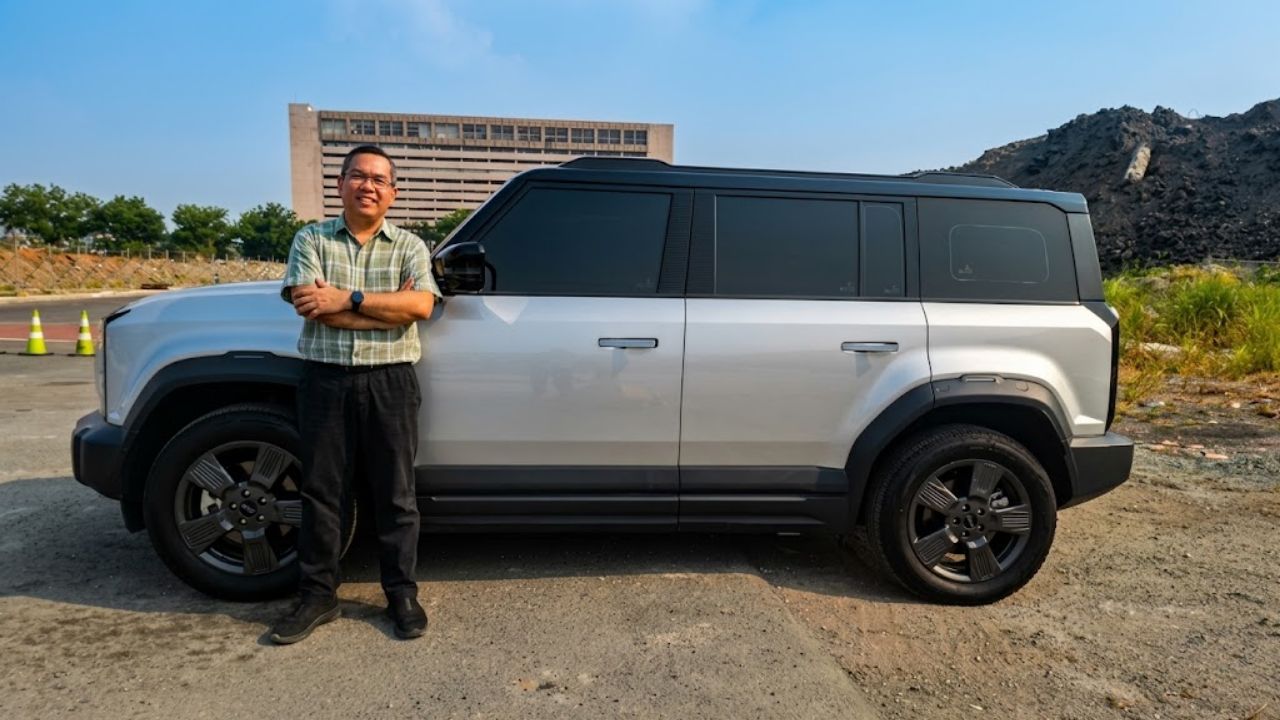

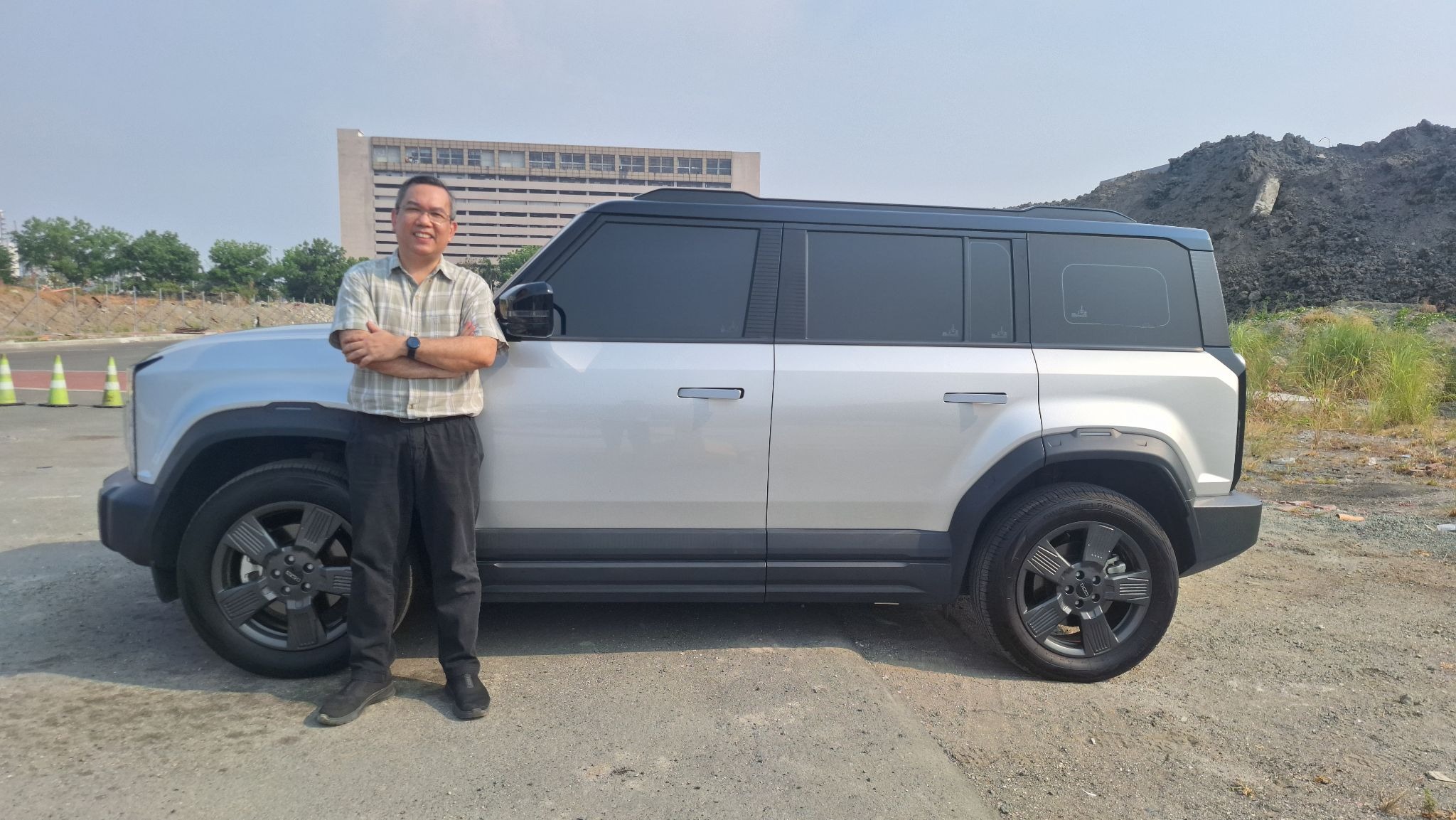
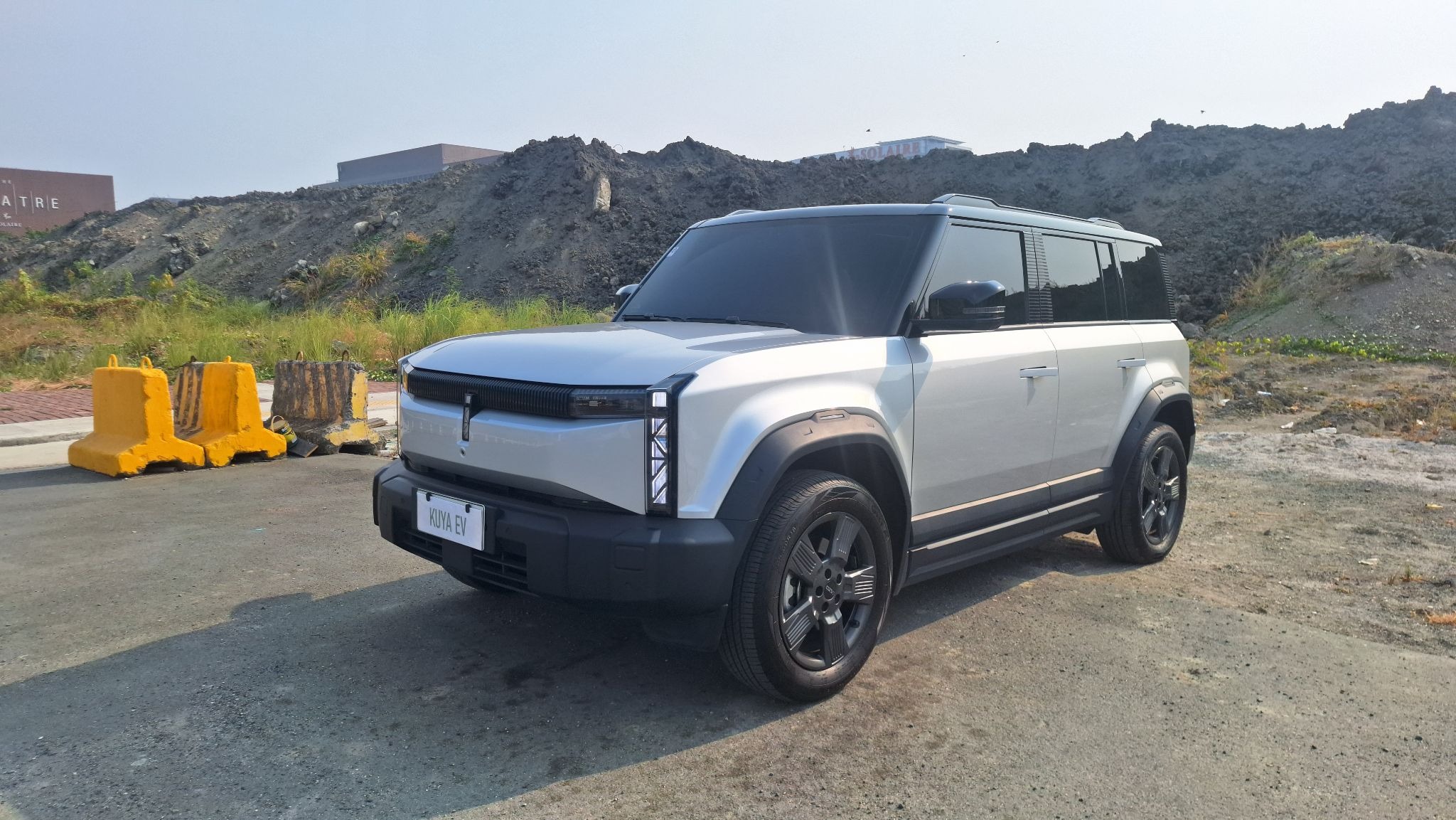
If you like unique, techy, affordable cars, you should check out our review of the Erick Kalugdan or Kuya EV’s Jaecoo EJ6, known as i-Car 03 in China, here at https://youtu.be/tgFwbipbAHE?
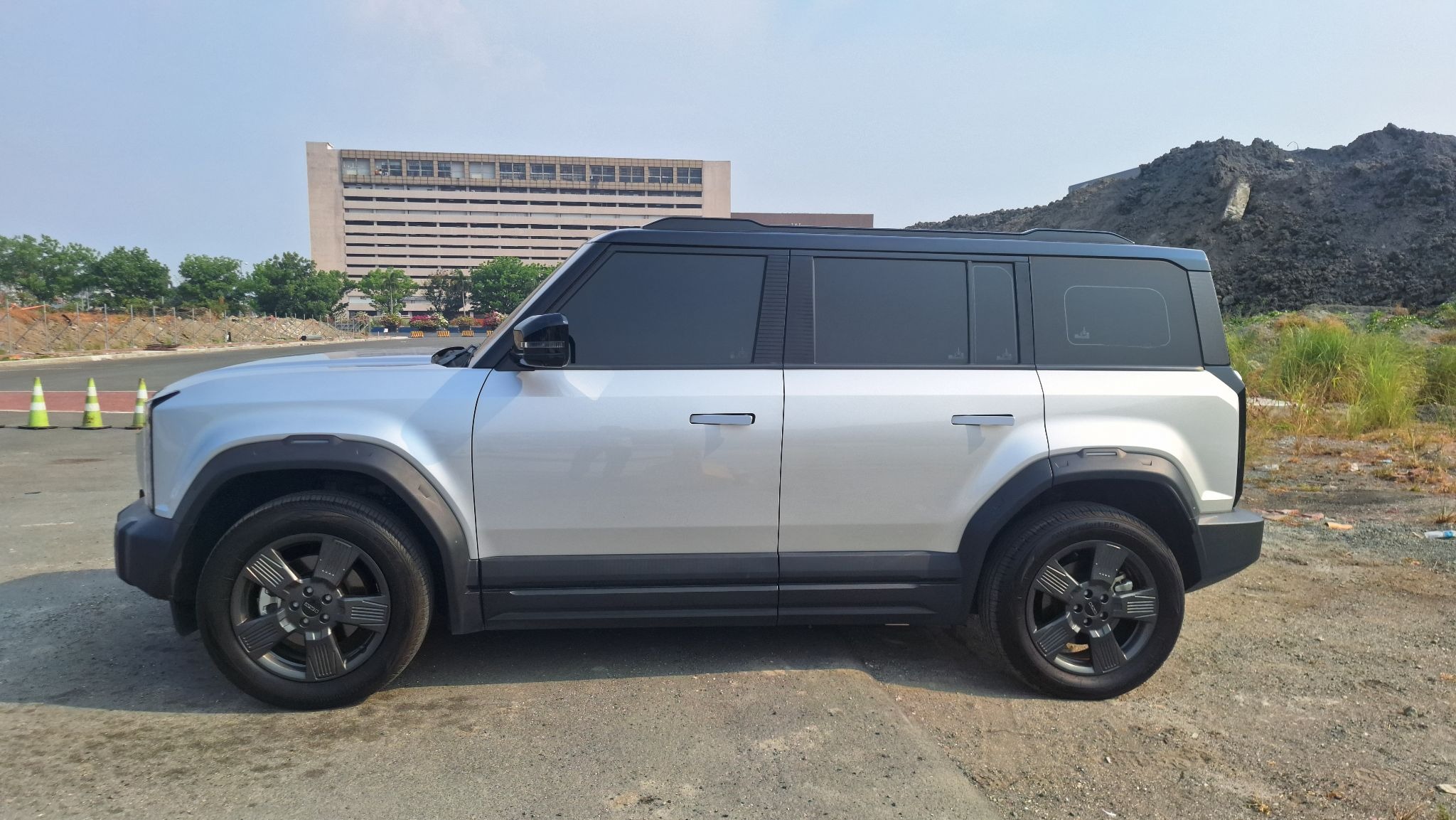
City driving is a very basic task for this unit, however, it is strong and powerful enough to take on long drives and light off-road trails because of its technology from the land of EVs and a high ground clearance of 225mm. It also has a wading depth of 600mm, making it easy to drive through floods with no hassle or damage.
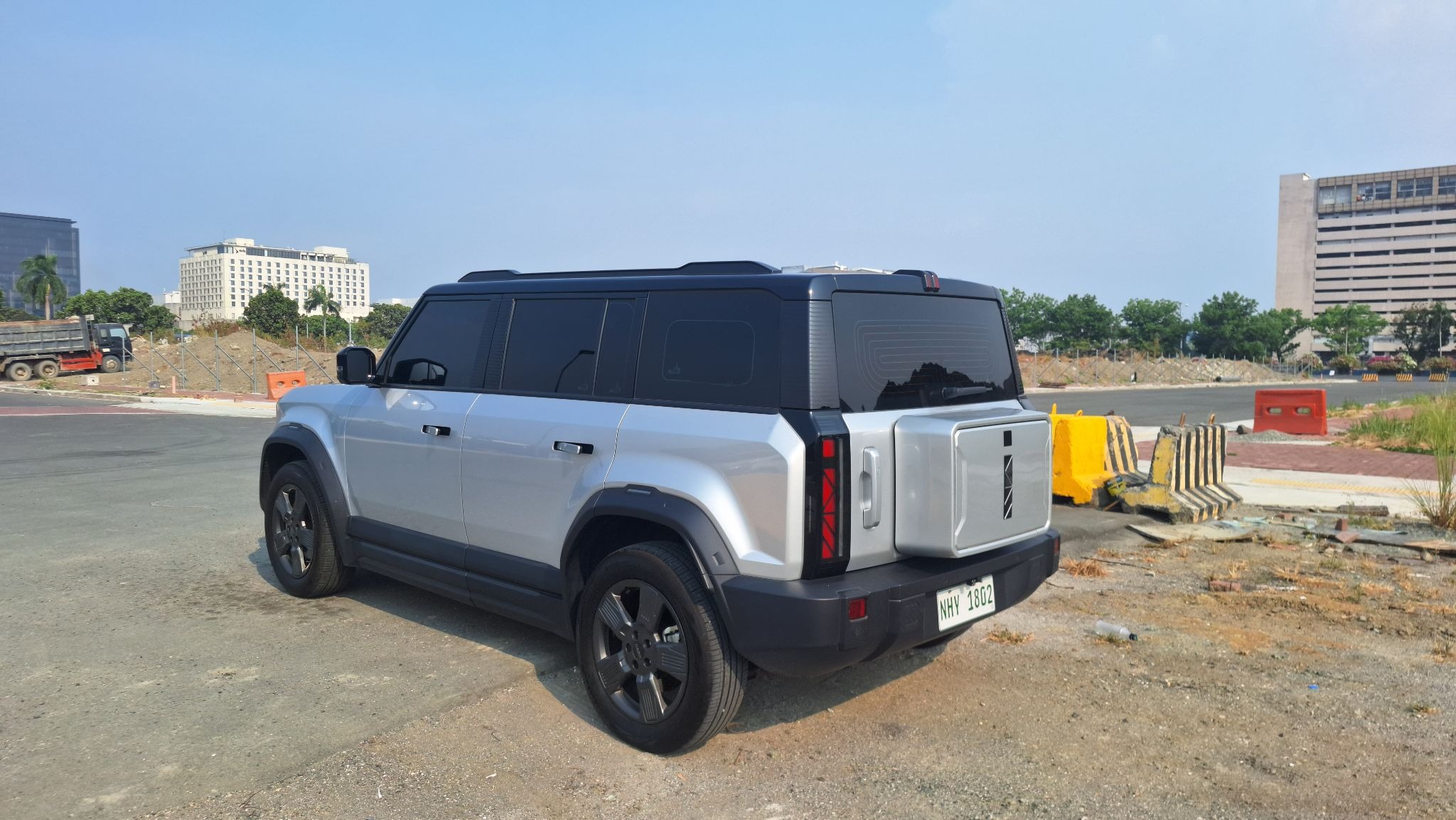
It has 4 surrounding cameras which its system will stitch to give you a 540° view of the car, allowing you to see even underneath real-time in either 2D or 3D mode. At the rear, a large storage box is featured which can fit accessories, its own portable charger, extensions and an adapter.
The charging port can be accessed on the right of the car. Its AC has a slow charging of 7 kilowatts, with the DC having a fast charging of 60 Kilowatts. Just one tap is needed to push it open or close.
You will notice that it boasts flash handles that look clean and premium. And once you're inside the unit, a spacious interior that can effortlessly carry 5 to 6 passengers will greet you.
The steering wheel is flat on the top and at the bottom, making going in and out of the driver‘s seat quick and easy. It has a lot of tactile controls like volume adjustment, going to the next or previous song or video, pause and play button, and a return button or exit button. The air conditioner controls and the speed up or slow down of the cruise control are also accessible on the wheel. When sounding the horn, there is no delay and it is loud enough to make up for the fact that EVs are very quiet on the inside and the outside.
A 15.6 infotainment screen is featured in the front of the car. It has all your essential controls like switching driving modes from normal, eco, standard, and custom mode for your comfort. The regenerative braking can also be adjusted from low, medium, and strong so you can manually adjust its stopping power as well as how strong the energy recovery is. The firmness and ease of steering also has a selection from comfort, sports, and custom to further personalize your experience.
Aside from that, adjusting the side mirror in the infotainment screen is also an option. Another essential feature it has is using a USB cable to connect your phone to the car beat and have it mirror your screen.
On the center console, you have two cup holders and the auto-hold button instead of a handbrake. The wireless charging on the center also has a cooling system to prevent your phone from overheating while on the dock. There is also a ventilated pocket in the middle for chocolates or temp-sensitive items.
The visor sunshade in the driver’s seat has light-up mirrors and secret storage space. In addition, there is also a hidden container behind the infotainment screen. And of course, there is a decent-sized bin on the bottom of the doors.
At the second row of seats, there is also a cup holder and ample storage as the actual seats also serve as storerooms that can effortlessly fit long items like fishing gears. They can also access a USB-A and USB-C fast charge on the center.
The legroom on this unit is plenty and bumping on each other's knees or to the seats upfront won't be a problem.
The trunk's cargo capacity can be maximized if you put the second row of seats down. It can smoothly fit several balikbayan boxes, emergency vest and signs, tire repair kit, and whatever comes to mind. Even the trunk door and sides have an extra netted bin.
The Jaecoo EJ6 also has an automatic shutdown feature if you lock the doors. To manually turn it off, three presses of the button overhead is required. To turn it back on, you just need to step on the brakes.
For pet owners, there is a pet mode you can use when you need to go out but leave your pet in the car. When it is in use, the screen will display what the temperature is inside the car and a note that says ”owner will be back soon” so as to keep your pet safe without worrying others.
In hotter countries like the Philippines, seat overheating protection is very useful. It will maintain a set temperature inside the cabin so you won't burn yourself off when you get back inside. And of course, since it's an EV, there's no engine contributing to the heat inside and outside.
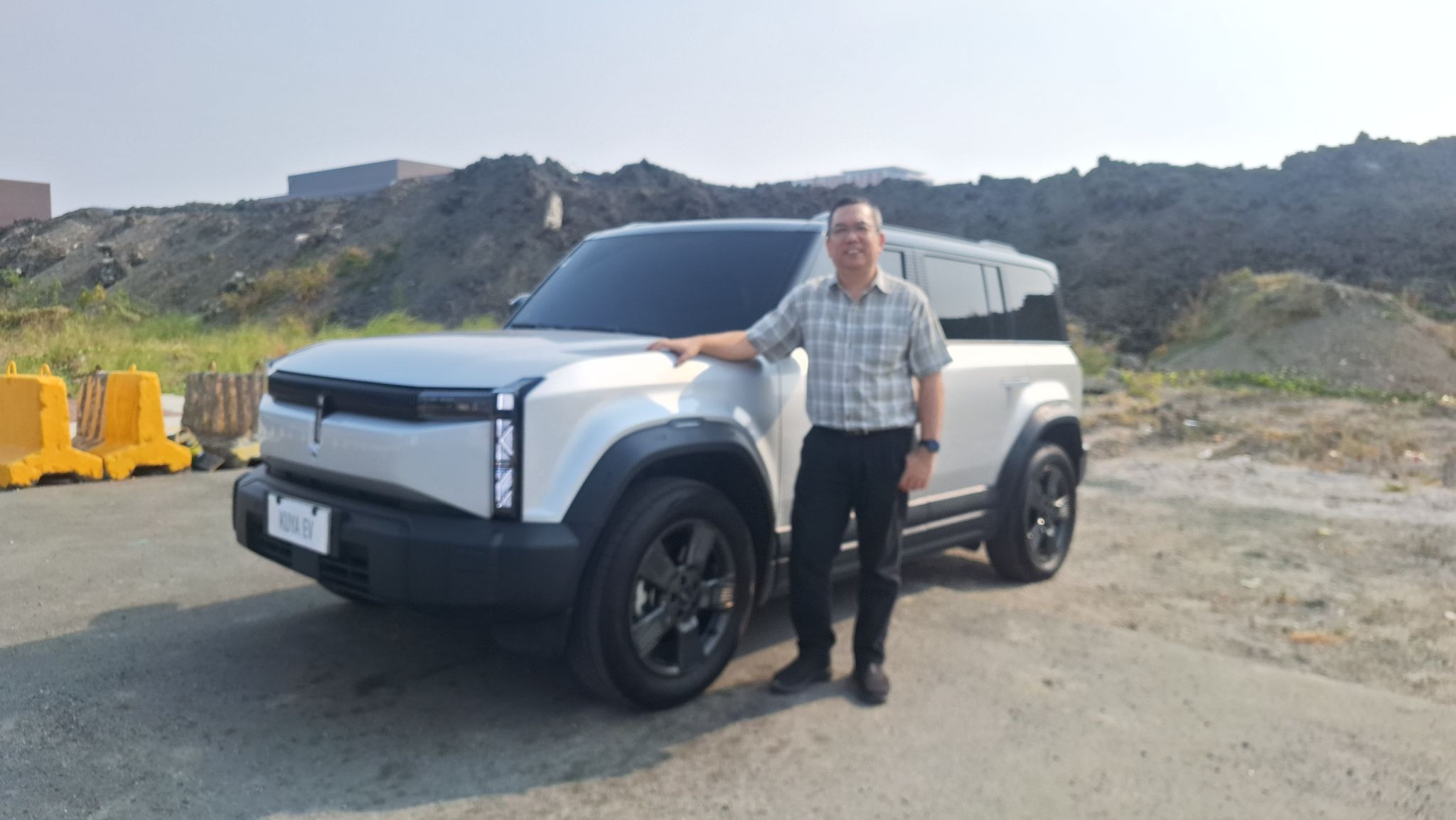
And now that we’ve discovered its exterior and interior features, let’s now check out its performance!
To get the basics down, the Jaecoo EJ6 has a real wheel drive with a maximum power of 135 hp, 220 Nm of Torque, and a top speed of 150 km/h which will give you a very smooth drive. Another advantage of an electric vehicle is its speedy acceleration. It can achieve 0 to 100 km/h in just 10 seconds. And with just these alone, overtaking is basically elementary.
With kuya EVs help, we also tested its light off-road capabilities, and with no exaggeration at all, this unit can efficiently run on rocky roads without too much bouncing.
The EJ6 has a range of 400 km, but based on kuya EVs experience, the actual kilometers it can achieve is 330 which means 1% of the battery will give you 3.3 kilometers, which as he said, is more than enough for his daily drives. Kuya EV usually takes the unit for a spin at least 20 km a day.
Here’s a fun fact for you, mga Ka-Manibela, did you know that here in the Philippines, only 3 people own an iCar 03, with Kuya EV being one of them? Well now you do!
Going back to its abilities, Kuy EV has once tried to wade through a high level flood while going to BGC from Buendia Taft. While he was driving, he didn't expect to run into knee-high flood waters around makati, atchino roces street. Since it was his first time to encounter such a situation, it was of course normal to take a minute first to assess before moving forward. Fortunately, when he made it past the floods, the Jaecoo EJ6 was still running perfectly. He took it for a preventive maintenance service or PMS shortly after and alas, they didn't find a single problem with it.
This is one of the advantages of a pure electric vehicle compared to an internal combustion engine, they are safer to go through floodwaters since they don't have a gasoline or diesel engine. Typical ICE units need to intake oxygen and exhaust carbon monoxide to work. That’s two possible openings where the water may come in. However, EVs only need a sealed battery and a sealed motor directly connected to the wheels axles whose wirings are also sealed and has a waterproofing rate of IP67, making it safer, and making you more confident to wade through flood with no anxiety. But in case water is unexpectedly high enough to get in the vehicle, it has a safety feature that will automatically shut off all your controls and disconnect the main high voltage battery to other parts to prevent damage and electrocution.
Another term we’ve all heard of before is “range anxiety”. But the Jaecoo EJ6 will cure that for you. Kuya EV has tried driving it in a battery percentage as low as 7% with no issues at all. In fact, kuya EV has already taken the Jaecoo EJ6 to Pampanga, Olongapo, Subic, and even Bataan in just one full charge! And as Kuya EV said, you can go on a lot of long trips, as long as it is planned well with charging station stopovers. Spontaneity will not solve anxiety, but a well thought out route will let you relax and enjoy the drive.
Here's another fun fact for you, mga Ka-Manibela, do you know that PMS costs of EVs are significantly cheaper than internal combustion engines? That’s because it has fewer parts than ICE vehicles. No engine, no belts, no fuel tanks and pumps, no clutch,and no more expensive and time consuming services. Kuya EVs first PMS after a year was only 5,000 pesos. And in the case that something needs to be replaced, the 8 year warranty will be able to cover it. Since warranties are usually half the length of the actual lifespan of the vehicle, that means the Jaecoo EJ6 can be used for at least 16 years with proper care.
And that is Kuya EV’s powerful Jaecoo EJ6! Thanks for reading, mga Ka-Manibela!
The VinFast VF3: almost a year of ownership with JeffAnnVentures
Ka-Manibela, let me take you through one owner's near year-long journey with the VinFast VF3, a compact electric mini-SUV that has quietly become a favorite among city drivers looking to escape rising fuel costs.
Jeff of JeffAnnVentures acquired his VinFast VF3 in August of 2025, and it has served double duty as both a personal vehicle and a workhorse for his small business.
The decision to go electric was driven by a simple, practical goal: saving money on fuel. While the family primarily stays within the city, they occasionally venture out, and so far, the VF3 has proven to be an incredibly worthwhile investment.
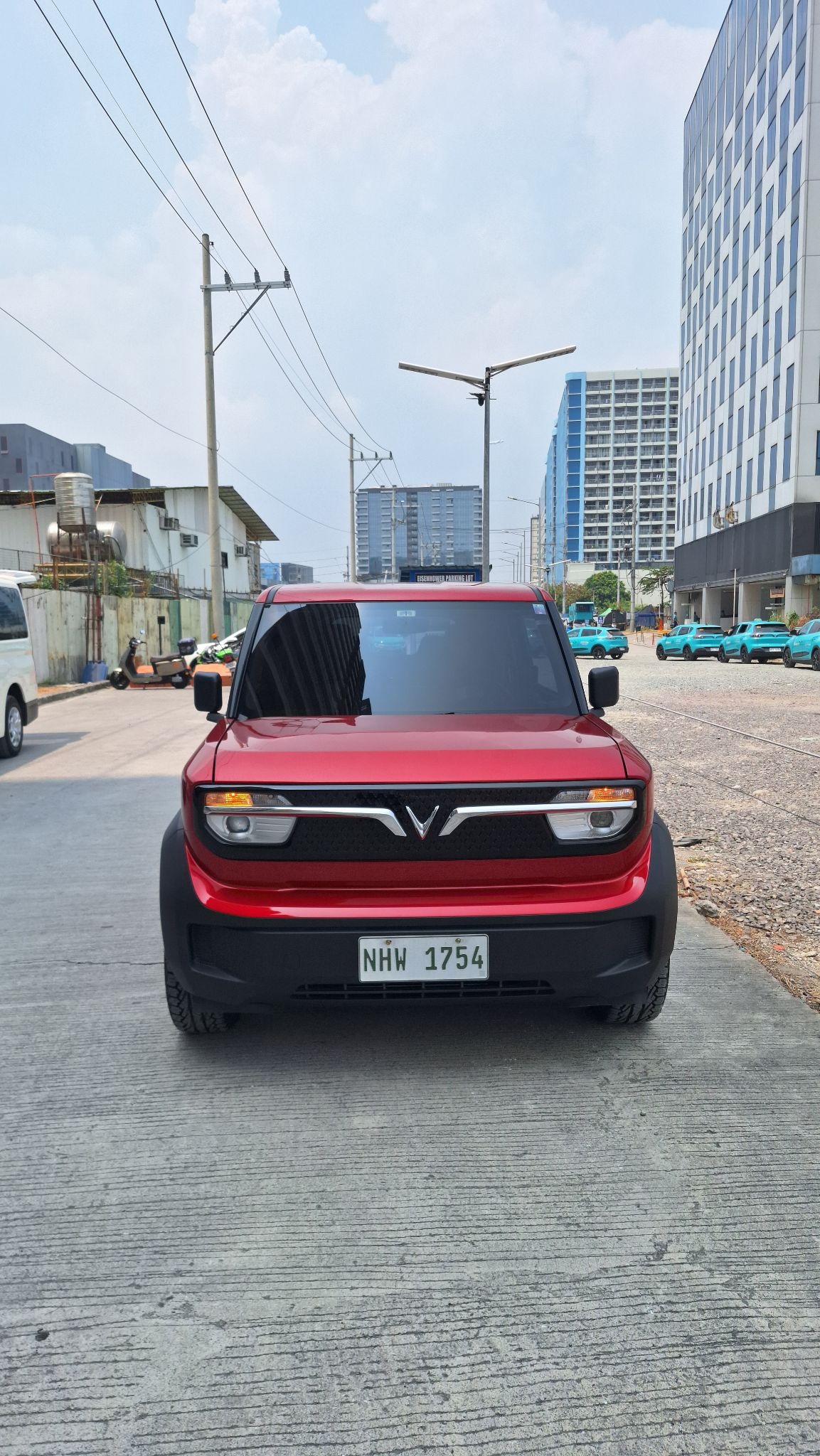
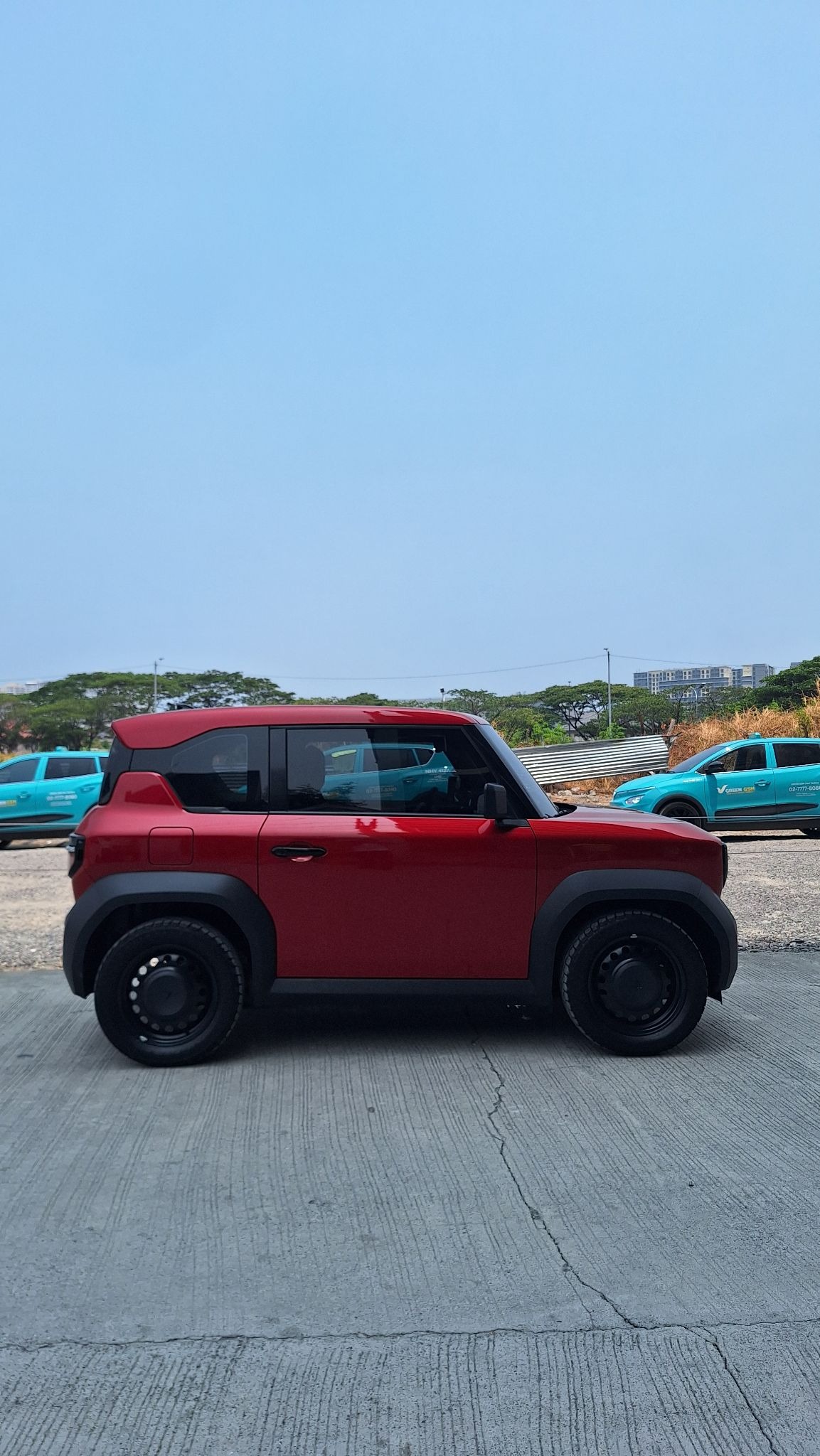
The first thing you notice about the VF3 is its size. When Jeff and his family first saw it, they actually thought it was too small. But appearances can be deceiving, and the compact footprint is one of the vehicle's greatest strengths. It is incredibly easy to maneuver no matter where you go, and parking is a breeze. When comparing it to rivals like the BYD Seagull, the VF3 stood out because while it is small, it sits noticeably higher off the ground, a feature that greatly appealed to the family.
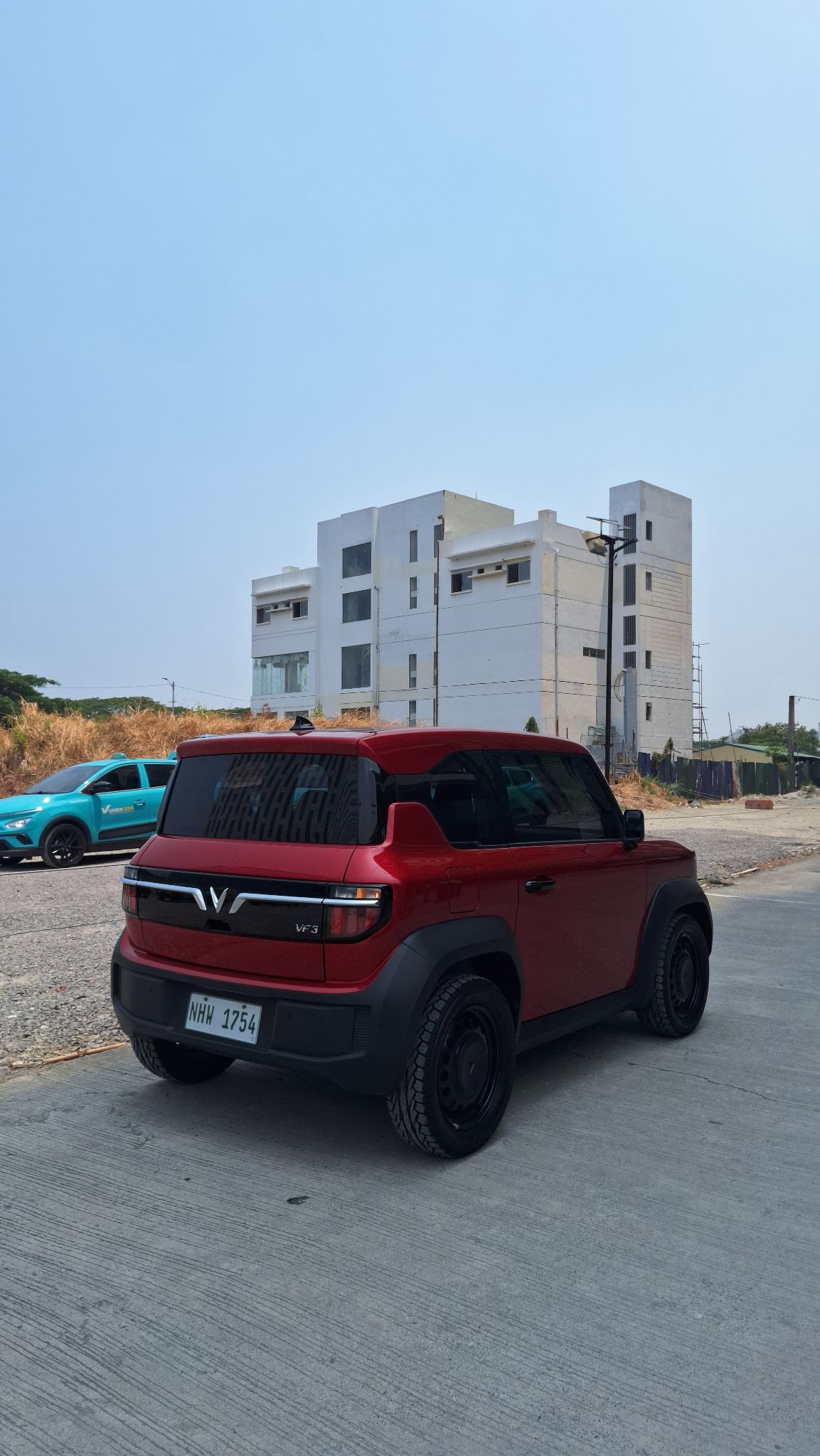
The design itself is quite boxy, giving it a retro character that Jeff and his family genuinely appreciates. The rugged look is enhanced by black bumpers, black fenders, and black side skirts running around the entire vehicle. Some might not love the black trim, but Jeff finds it gives the car a tough and capable appearance. For those interested in customization, a roof rack can be added, though owners should be careful not to exceed 50 kilograms of load.
The VF3 is rear-wheel drive, with the electric motor mounted directly to the differential at the rear wheels. The vehicle also comes equipped with projector headlights, which was one of the considerations that helped seal the deal. As for the color, Jeff simply chose red because nearly all of his previous cars have been red, and its catchy color exudes a distinctive presence on the road.
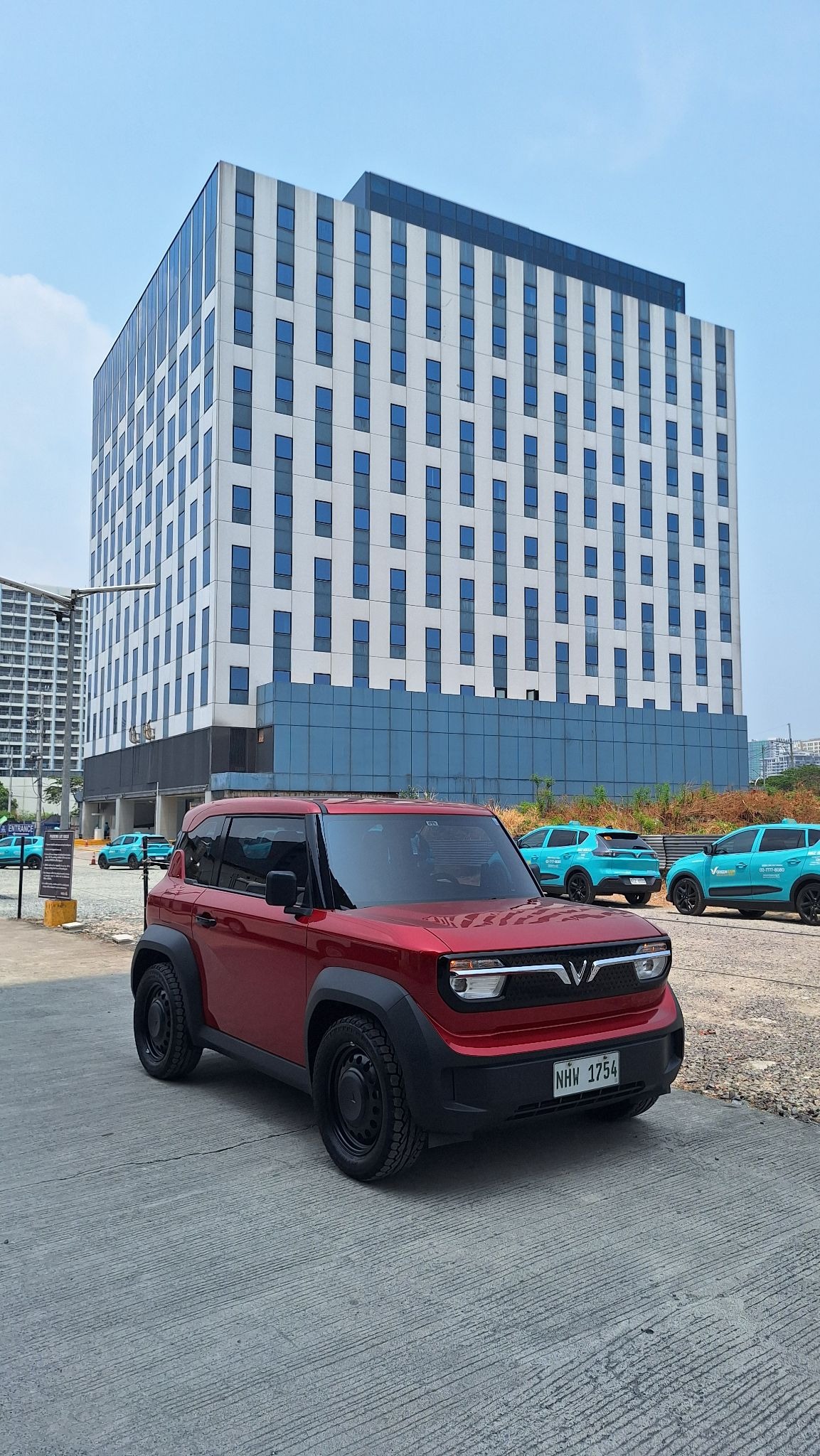
Despite its diminutive exterior, the VF3 surprises with how spacious it feels inside. This was one of the most unexpected discoveries for Jeff and his family. The seats can be lowered to maximize space, and because the car is used for business, it regularly carries 30 to 40 kilograms of stock for their store. The interior manages to feel far more generous than the exterior dimensions would suggest.
When it comes to power, Jeff and his fellow users have never complained. The VF3 is genuinely powerful, even on uphill climbs. The family has taken the car on long trips without any issues of the motor feeling strained. The top speed is limited to 104 kilometers per hour, which Jeff considers more than enough for both city driving and highway use. They also frequently use the Skyway, and the VF3 handles it without complications.
The vehicle features ABS, or Anti-Lock Braking System, which is remarkable at this price point. It also has seatbelts for all passengers, audible warnings when reversing or parking, a reverse parking camera, and a driver's airbag. Another particularly thoughtful feature is the auto-lock function: after about five minutes of inactivity, the car locks itself, a feature that arrived with the latest firmware update.
The VF3 offers two driving modes, Eco and Normal, which can be switched easily through the infotainment system, even while driving. The stock speaker audio quality is adequate for most owners, and for those who want to upgrade, there are plug-and-play options that don't require splicing wires, which would otherwise void the warranty.
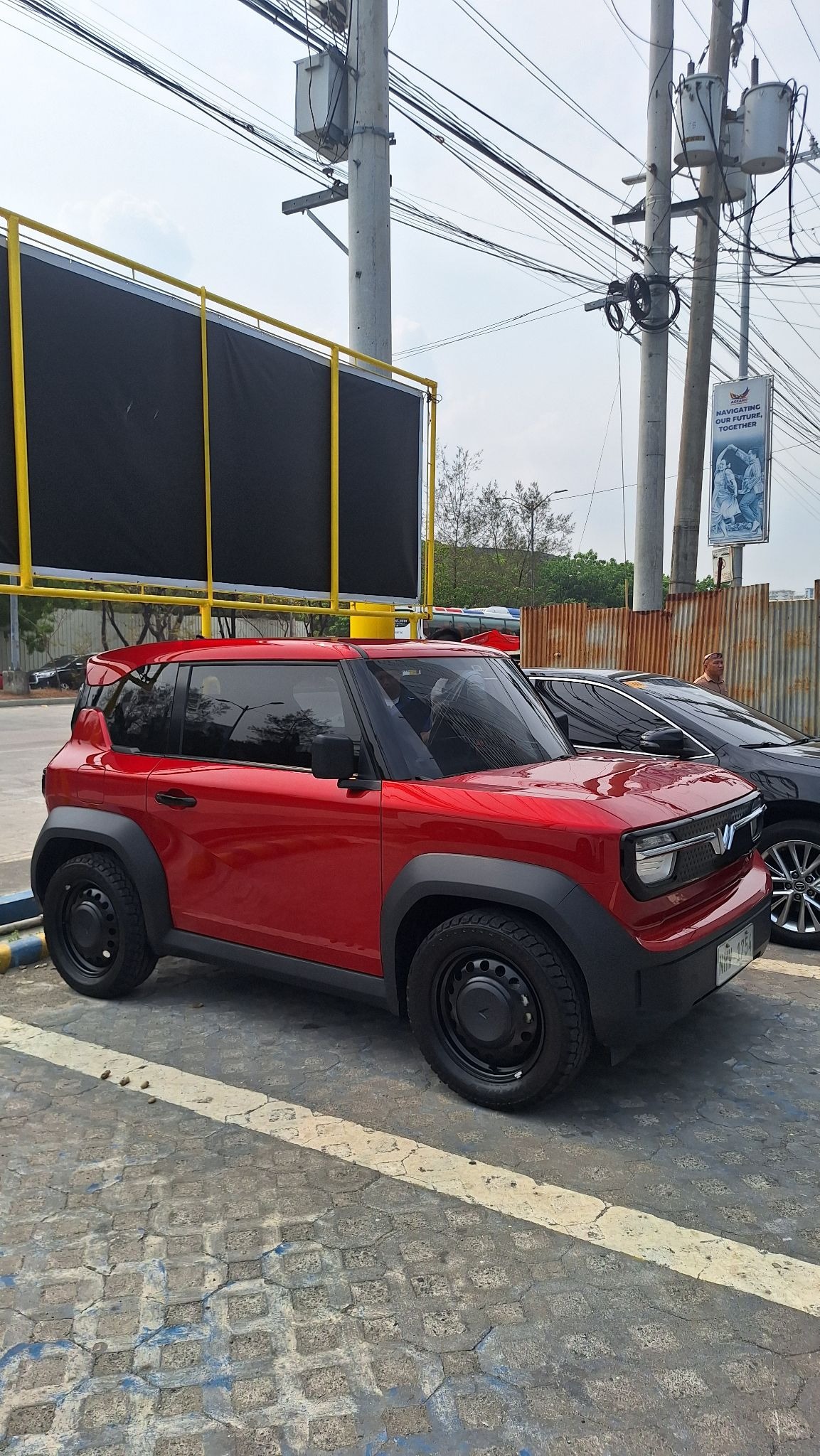
In terms of riding comfort, the VF3's firm suspension is the one area where it noticeably falls short compared to other vehicles. The ride is somewhat stiff, a trait that persisted from purchase through regular use. Fortunately, there are many aftermarket options to upgrade the suspension, and Jeff recently did just that, noting the improvement. For those who find it still too firm, pricier options are available.
The braking power is more than sufficient, thanks to the torque characteristics of the electric motor. Jeff has never felt the brakes were lacking. On the highway, the VF3 is remarkably stable. One might expect a small car to wobble when a bus passes at speed, but the VF3 holds its line. This stability was further enhanced when Jeff swapped the stock tires, which were 175/75 on 16-inch rims, for wider Wanli Alpinism 205/60-16 all-terrain tires. The extra width contributed significantly to the car's planted feel, making long drives genuinely enjoyable and appreciably less bumpier.
Jeff’s longest journey so far with the VF3 was from Santa Rosa, Laguna to Angeles, Pampanga and back, requiring only two charging stops. The entire trip cost less than 600 pesos, an astonishing figure for a south-to-north-and-back journey. Having experienced a long trip, the family's big plan is a trip to Baguio, an endurance test question for any new car in the Philippines. Since the VF3's range is 210 kilometers on a full charge, they are carefully mapping out mandatory stopovers at charging stations and will document the journey in a future vlog. Speaking of vlogs, a previous trip to Tagaytay and back on a single charge became one of their most popular videos.
When they were considering the VF3, their biggest hesitation was the state of charging infrastructure in the Philippines. After thorough research, they found that charging stations are becoming increasingly common. Even better, VinFast offers free charging for its owners until March of 2029. At the time of his purchase, the processing was quick and easy, though Jeff notes that lines have since become longer at dealerships.
On after-sales service and parts availability, Jeff has no complaints so far. He hasn't yet reached his first scheduled maintenance, which is at 10,000 kilometers or one year, whichever comes first, but on other matters, the dealership has been very accommodating.
Charging The Vinfast VF3 is straightforward. It uses a CCS2 plug and supports DC fast charging only. VinFast stations offer 60-kilowatt chargers and a charge from 20 to 100 percent takes about an hour. Most stations have two guns, so two vehicles split the 60 kilowatts, roughly 30 each. The VF3 itself has an input of 20 kilowatts. But back at their home, the included portable 3.3-kilowatt charger takes about five hours for the same charge. Owners can adjust their charging target, dropping it to 90 percent if they're concerned about battery health, and can set a low-battery reminder, which Jeff has configured at 30 percent. It's perfectly fine to leave the car on while charging; doing so allows the low-voltage battery to charge simultaneously.
At the charging stations, there's a courteous system with the Green GSM taxis, which were launched by VinFast Auto Philippines. Private owners are given priority, and the taxi drivers will often wave you in when a spot opens up. Jeff emphasizes that courtesy should always be extended to the taxi drivers, who are simply earning a living.
For those switching to an EV, Jeff offers one important warning: avoid floods. The battery and motor sit beneath the flooring on most EVs, so it's essential to evacuate flooded areas before water reaches the battery.
So, who is the VF3 for? If you're looking to escape the cost of gasoline, this is the answer. After nearly a year of ownership, Jeff wholeheartedly recommends it, with one caveat: know your purpose for buying. The VF3 is small, so large families shopping for a spacious vehicle should look elsewhere. But for those who understand what they're getting, the VF3 is an incredibly worthwhile, cost-saving companion.
Watch the full review here: https://youtu.be/KT4y1uW8nJM?
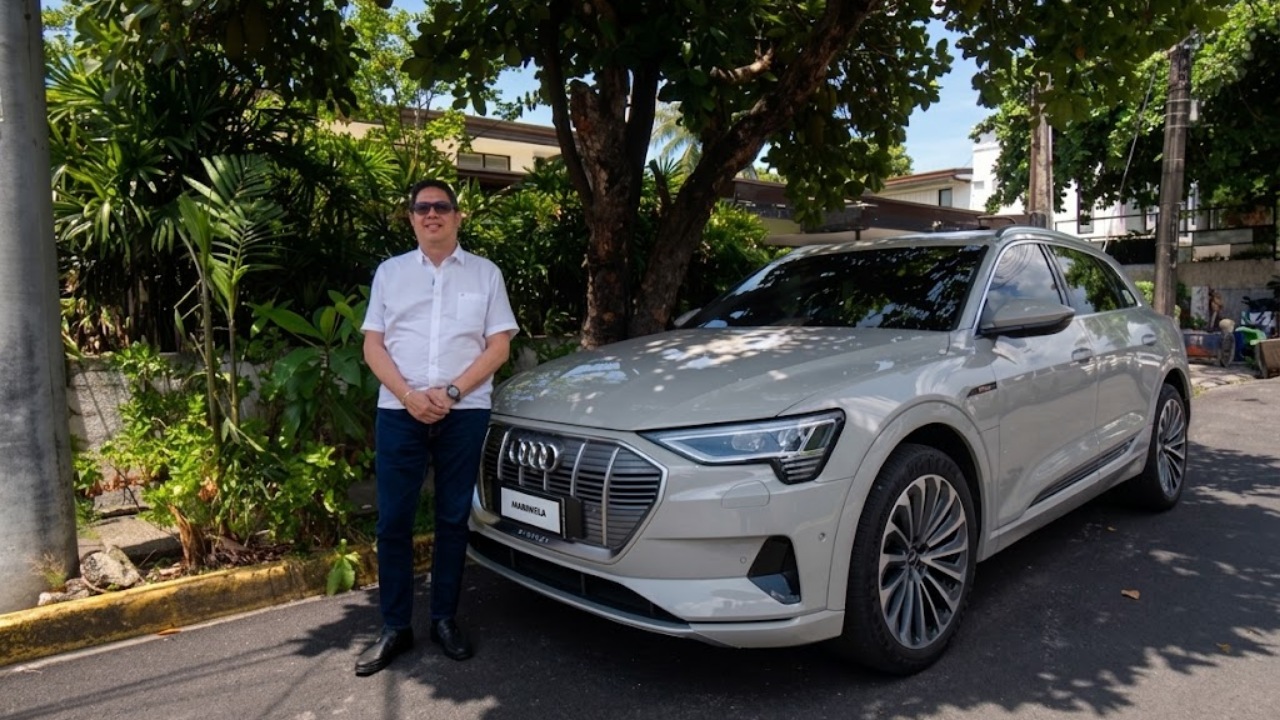
When Rico Severino bought his 2023 Audi e-tron, electric vehicles were a rare sight on Philippine roads. Only three or four brands were available at the time, and as the Founder and President of the Philippine EV Community (a 60,000-strong Facebook page of early adopters), he knew exactly what he was looking for. PGA Cars was the only dealer that answered all his important questions, and so the decision was made. Three years and roughly 300,000 pesos in savings later, Severino describes his choice not as a luxury, but as a hedge against a world where fuel, electricity, and the cost of everything else keeps climbing.
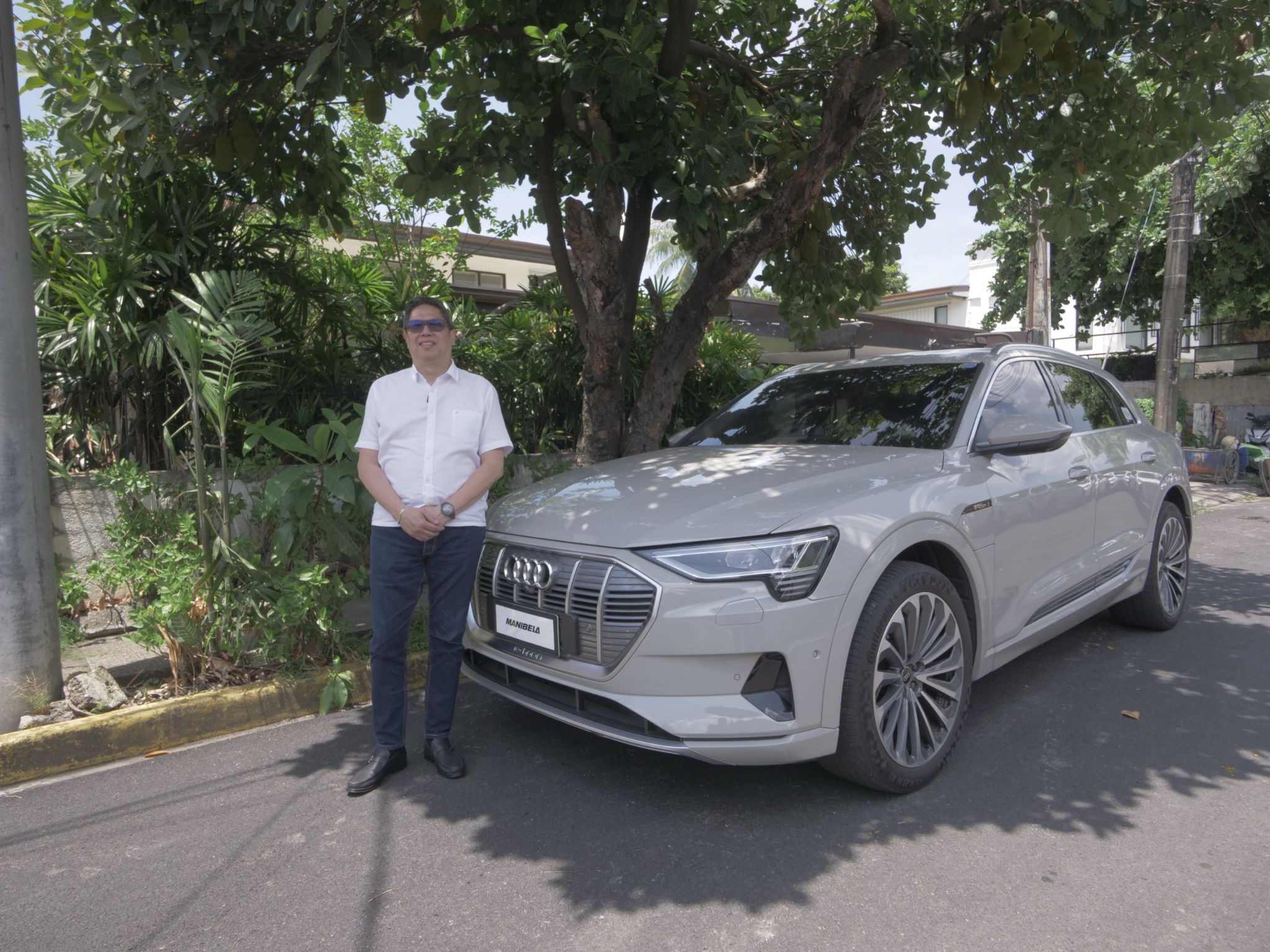
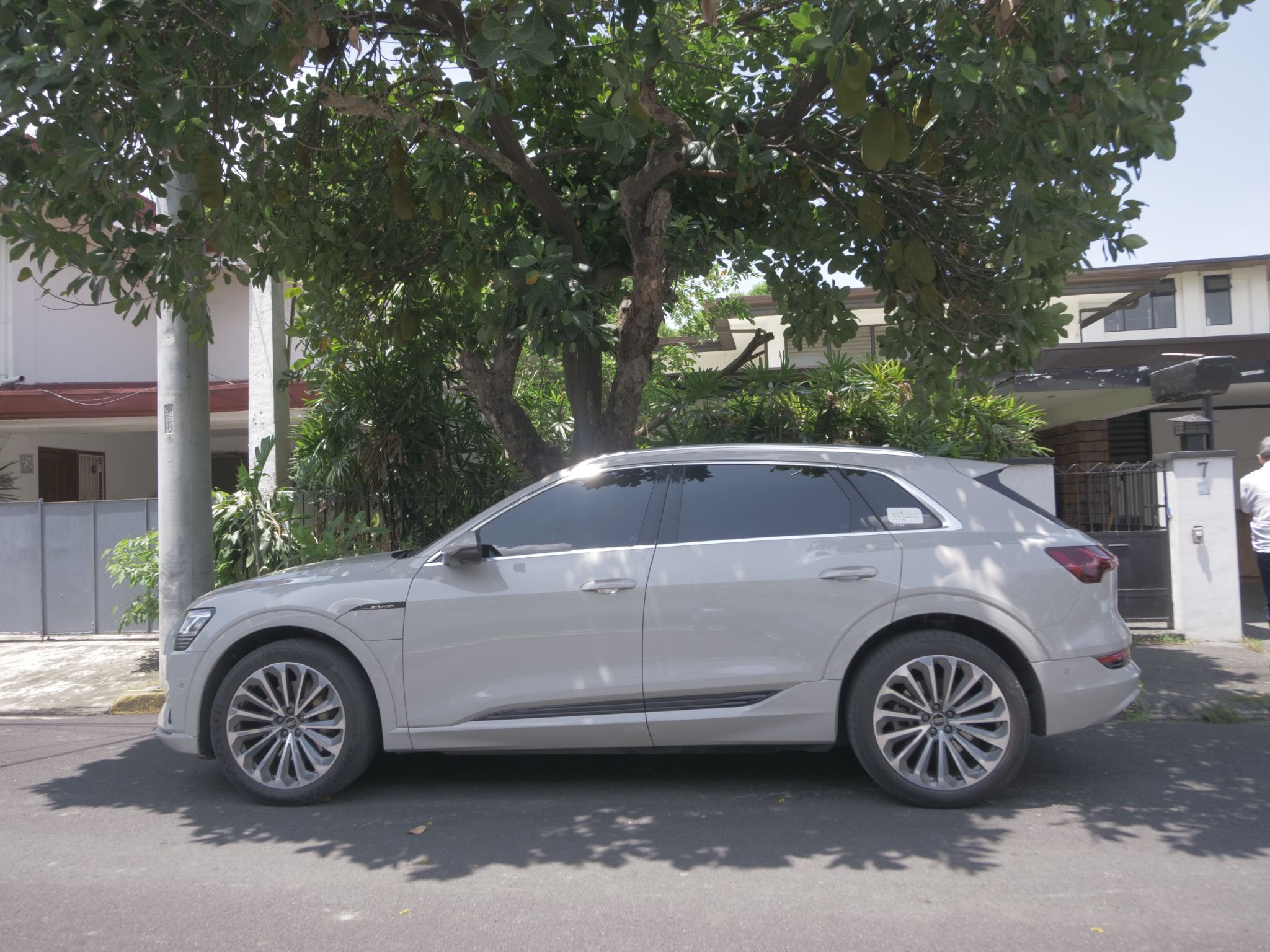
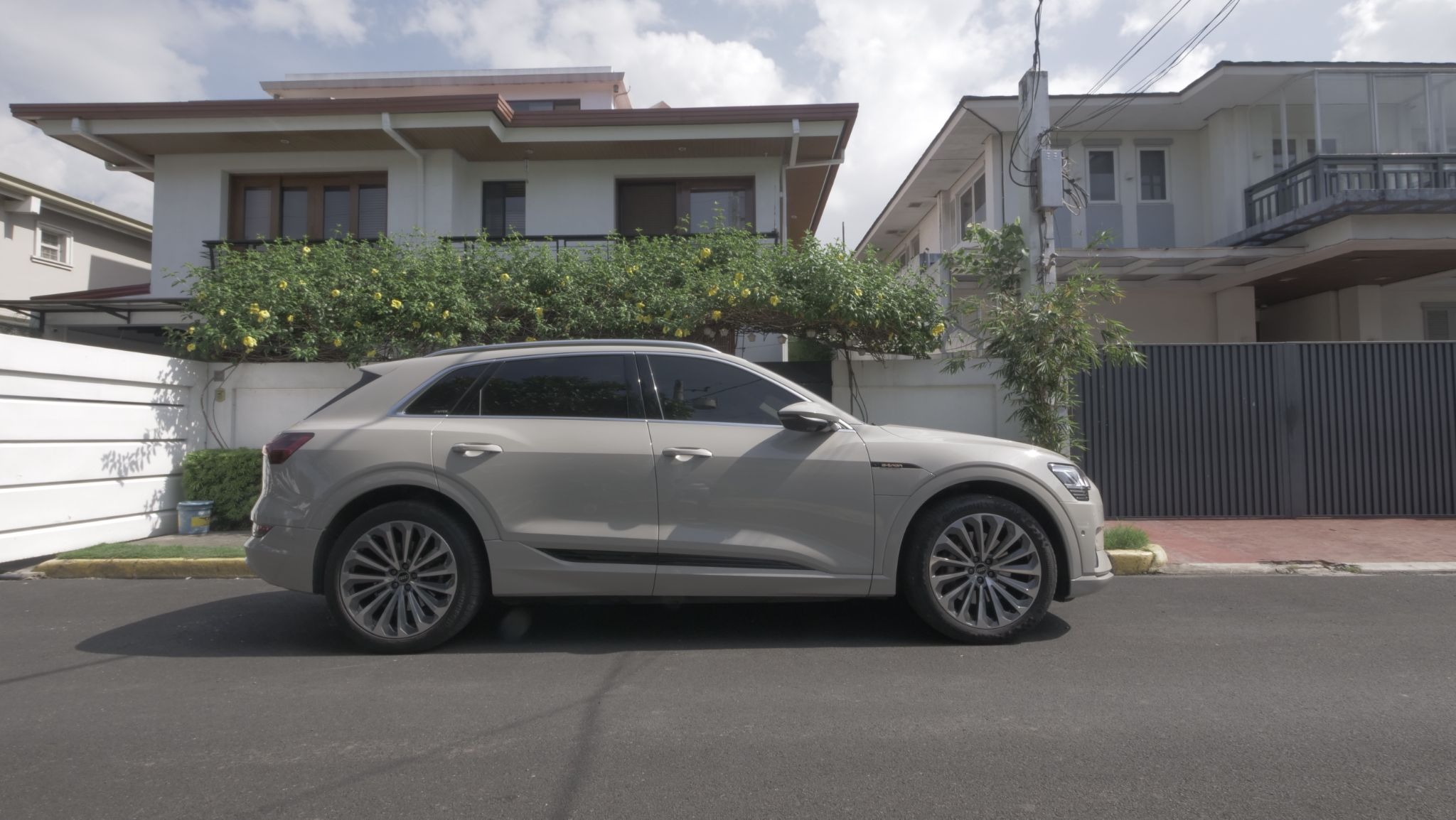
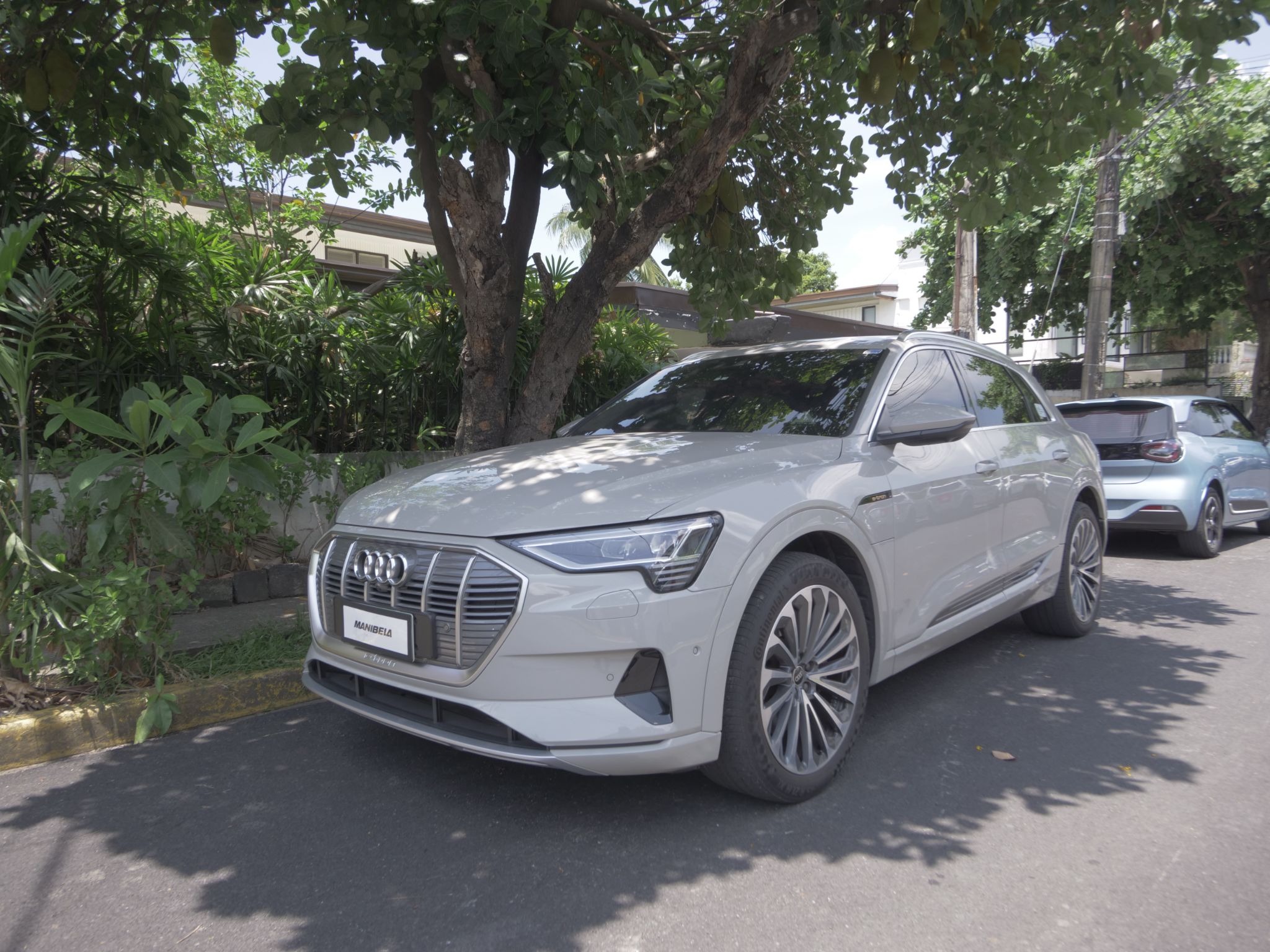
At first glance, you would never guess this car is three years old. The e-tron wears a unique color, a special design he deliberately chose. It rolls on 21-inch wheels and notably has no sunroof, a deliberate choice that keeps the cabin simpler and the structure solid. The design has aged gracefully, still rivaling new cars on the market today. It is unmistakably an Audi, with the kind of build quality that makes the body feel substantial rather than tinny. Despite being a few years into its life, the car still looks fresh, and Severino is confident it will become a classic, a vehicle that people will still want even on the second-hand market.
Inside, the e-tron is a five-seater with room for golf club bags, and it delivers all the creature comforts one expects from a premium German brand. The seats are ventilated and offer massage functions, making long drives genuinely comfortable. The air suspension smooths out Philippine road conditions, whether on rough provincial roads or the occasional slightly flooded street. What sets this particular unit apart is its infotainment system, which still resembles that of a traditional vehicle rather than the button-less, software-defined displays of today's newest EVs. Severino admits he prefers it this way. It made the e-tron the perfect transition model for someone coming from a conventional internal combustion engine vehicle in 2023. And for a retirement vehicle? it checks every box: comfort, quiet, and a cabin that his whole family likes.
Under the surface, the e-tron is a performance vehicle. It produces roughly 300 horsepower with torque to match, and while that figure may not sound enormous on paper, Severino confirms that it is genuinely quick. The instant torque of an electric motor means power arrives the moment you press the pedal, and overtaking on the highway presents no problem at all. The car is all-wheel drive, adding confidence in varied conditions. Its driving modes include sport and economy, letting the driver balance performance against efficiency.
The Audi E-Tron’s range on a full charge sits around 350 kilometers, which Severino acknowledges is not outstanding by today's standards, but he manages it through careful planning and a gentle charging routine. He charges at 9 p.m. and finishes by 5 or 6 a.m., using only half of the available 32 amperes to preserve the battery. The battery management system, which he calls the heart of the vehicle, is top-notch, carefully charging and caring for the battery over time.
One area where the e-tron stood out in 2023 was braking. Severino notes that many EVs sold at the time were fast but consistently fell short in the brake department. In this Audi, he says, he has never once felt short on braking power. Combined with a complete airbag system and a solid, substantial body, the safety features give him complete peace of mind which is especially important when he brings the car to beautiful but potentially risky drives in places like Baguio.
Severino has put his e-tron through Philippine conditions in every form: rough roads, slightly flooded streets, and long out-of-town trips. He has driven to Baguio three times and to Pampanga even more often. He shared that his most memorable adventure was the Baguio round trip in 2024, a year after his purchase. He tested it out because "can it make it to Baguio?" is the first question every Filipino EV owner hears. In fact, the Philippine EV Community even runs a "Baguio Balikan" series, taking every reviewed vehicle up the mountain to prove that even cars with ranges under 200 kilometers can make the journey with proper planning.
The key to eliminating range anxiety, Severino explains, is a "confidence run". Connecting the distance you've traveled to the position of the range meter until you trust it completely. An electric car, he points out, is exactly like a smartphone: a software-defined machine. Once you understand it, the fear disappears. The cabin is silent, there is no vibration, and daily driving feels effortless. "When you drive one every day," he promises, "you won't go back to internal combustion engine."
Severino's EV journey began with a broader mission. A clean-air advocate and former president of the Motorcycle Advocates of the Philippines, he spent ten years as a barangay councilor in the 1990s, always thinking about what could help the people. His first priority was solar power. He wanted to save on electricity before buying an EV, because the two work hand-in-hand as an ecosystem. His solar return on investment took three and a half to four and a half years, and he has long since passed that stage. He now pays very little for electricity, and he urges every homeowner to install the largest solar array their roof can fit and to sign up for net metering, which lets the utility buy back excess daytime generation as non-expiring credits, effectively making the grid a battery.
The financial case is compelling. In three years of ownership, the e-tron alone saved him almost 300,000 pesos, with electricity savings far exceeding that figure. Yearly maintenance runs about 14,000 pesos, mostly a cabin filter and tire checks, because an EV has roughly 200 parts versus an ICE vehicle's 2,000. He has never replaced a brake pad or any major part. When a rare issue did arise, PGA Cars sent a truck, collected the vehicle, and left a loaner unit so he was never without a car.
For those not ready for a full battery electric vehicle, Severino points to the spectrum of options: HEVs that save about 20 percent of fuel, PHEVs that save around 40 percent, and the fully electric BEVs that offer at least four times the savings of an internal combustion engine. He believes price parity has nearly arrived, with many EVs now selling below one million pesos, and he credits AC Mobility's plan to deploy 1,700 charging stations in partnership with Shell and other gasoline stations for steadily erasing range anxiety. The biggest remaining challenges are condominium owners without charging facilities and acquiring permits for charging stations from the local government units. He believes in streamlining the process to make this dream easier to achieve. The EVIDA law and DOE policies are supportive; regulators should simply approve what is built correctly.
For Severino, the e-tron was his retirement vehicle, his way of choosing something that would delight his wife and make the family proud. He has no regrets, and he intends to run it for as long as it will go.
Wanna see more of Audi E-Tron’s beauty and power?
Watch the full review here: https://youtu.be/wX9IqBMVso8
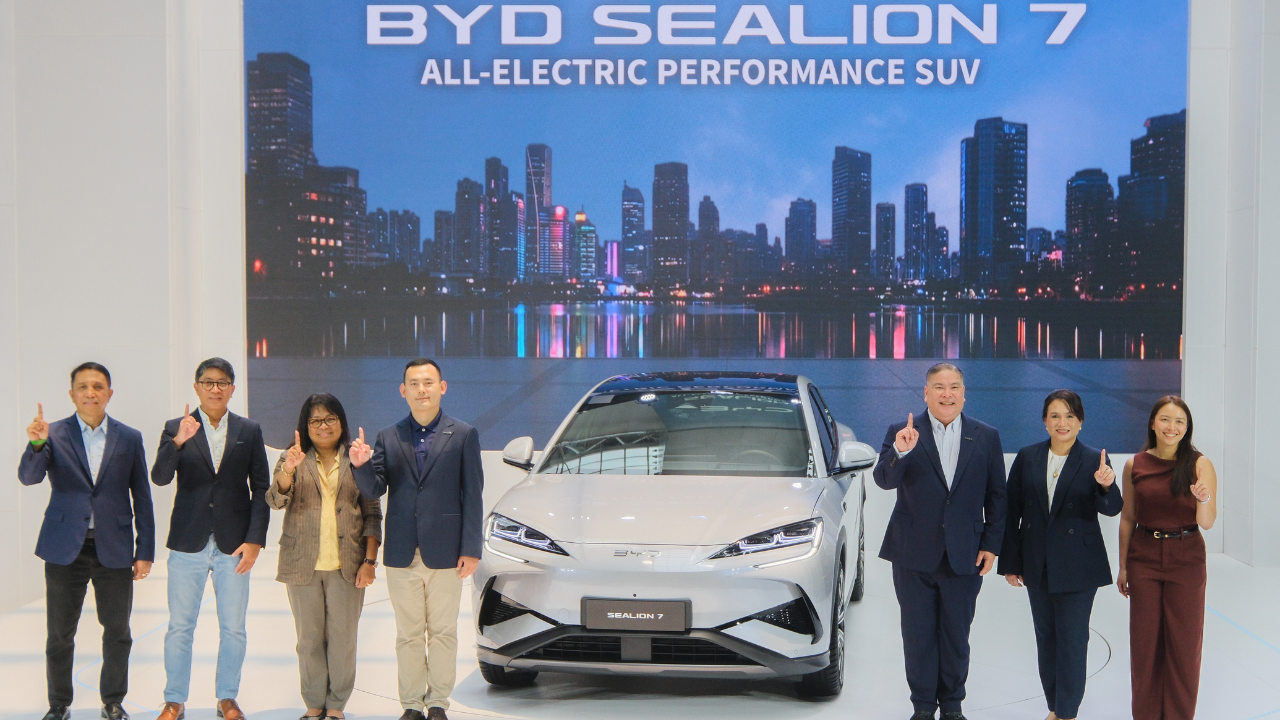
BYD has finally brought home the fully electric SUV Sealion 7 that everyone was waiting for, and it is loaded up with advanced technology!
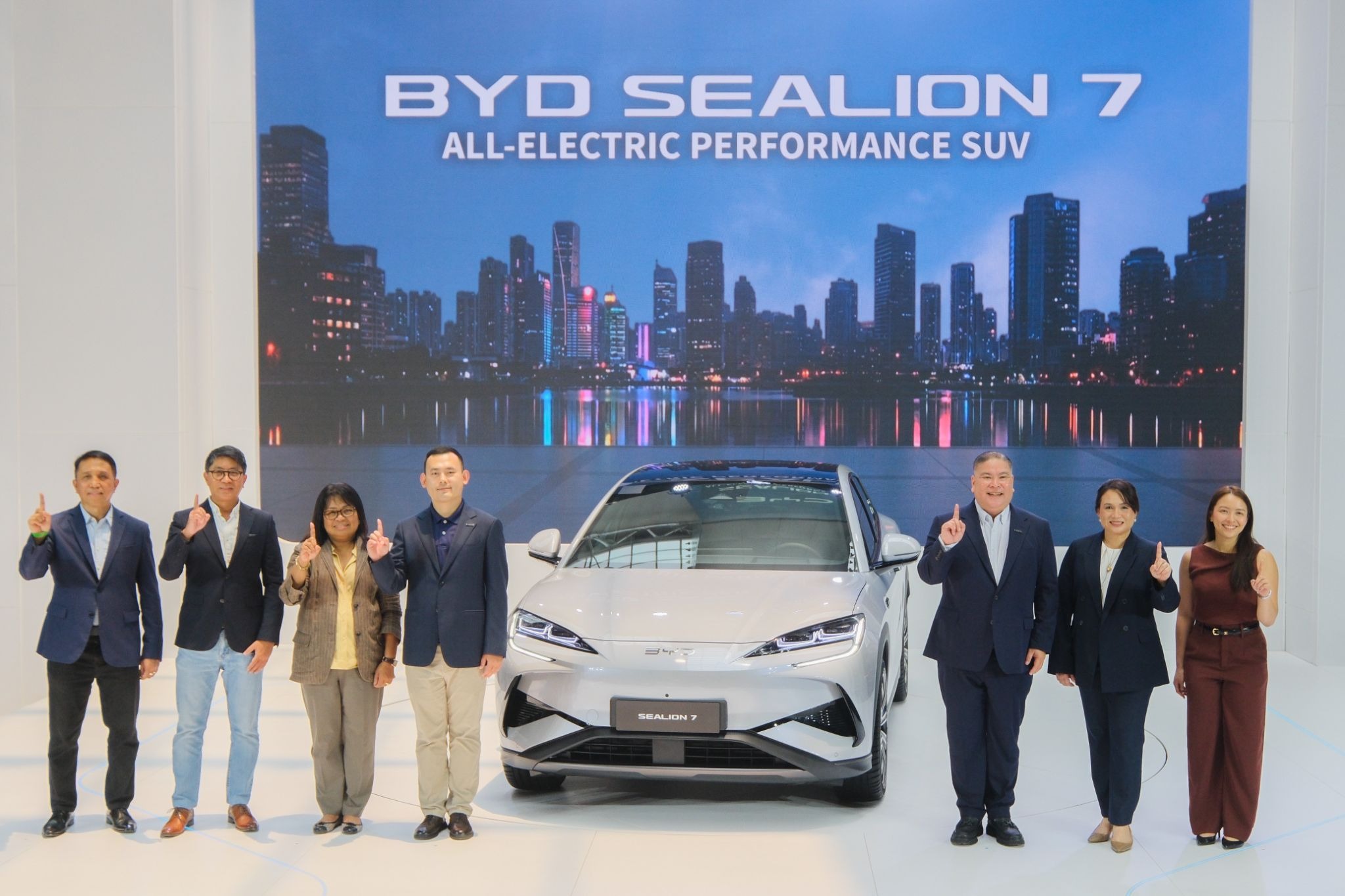
Starting on the outside, the Sealion 7 has an Ocean X design seen in its aerodynamic and flowing design. Even the full LED taillights are shaped like a water drop. Even the side mirrors have built-in lights that will also serve as your signal lights. And when there’s a car next to you, it will light up a triangle indicator to inform you. It’s got a low hood, unlike most SUVs, which have a forward and long front, but it has a somewhat unique charm to it. Since it's an EV, it doesn't need ventilation at the front bumper so it doesn't have grills. Instead, a clean, closed plain front is featured with the BYD badge a little less embossed than the other units.
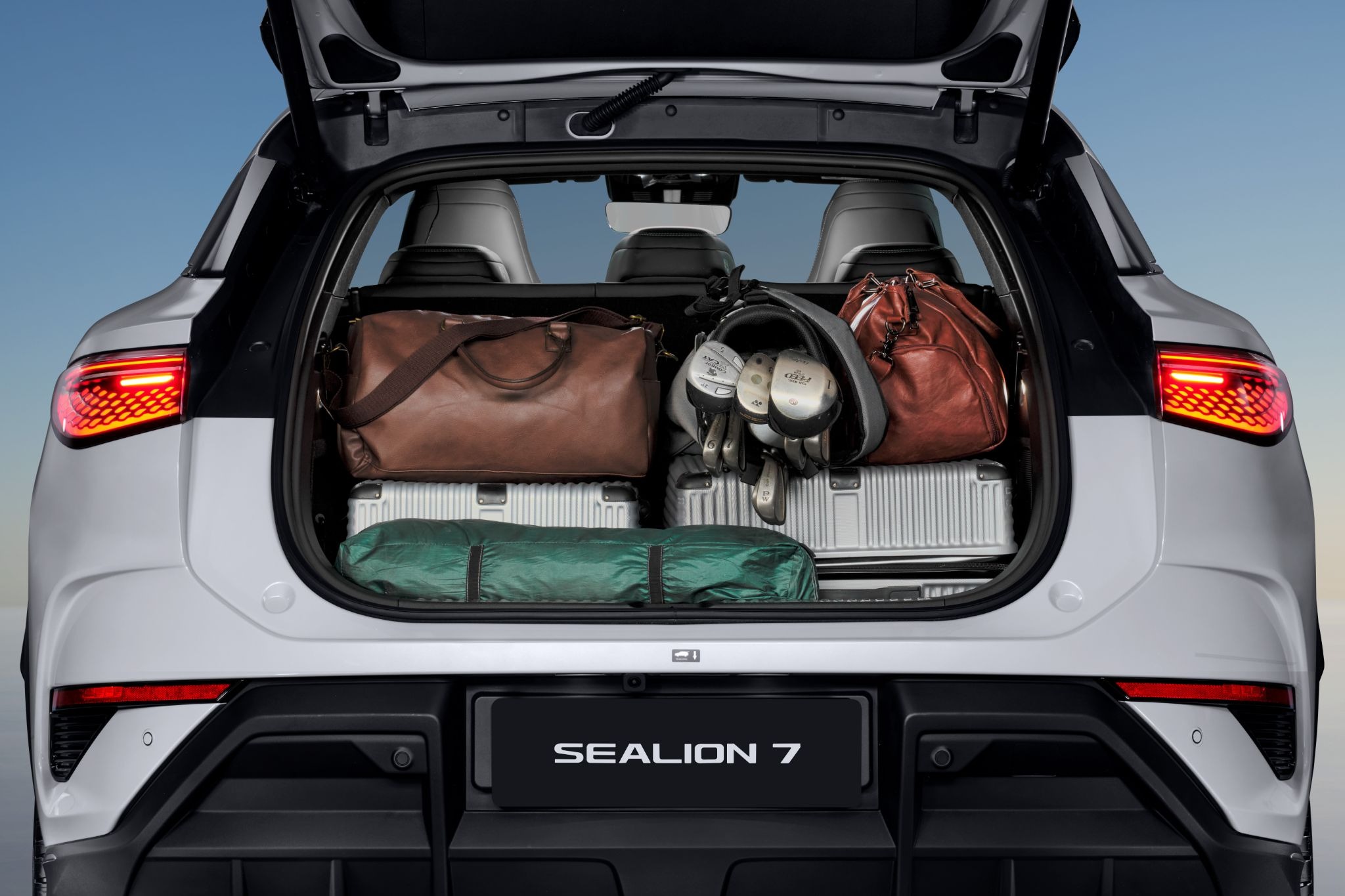
Moving to the back, it has an electric tailgate equipped with an anti-pinch system, kick sensor and a customizable stopping position. It has 68 liters of front space and 520 liters in the rear which can be expanded to 1,789 liters if the rear seats are folded. Under the first line of matting is more storage space underneath. On the sides are hooks and 4 straps to secure your items. For convenience, you can close the back with just a single press of a button. It is much more compact and smaller than most SUVs, probably to maintain the sporty feels of a BYD vehicle.
The Sealion 7 has 20” wheels, and a tire size of 245/45. It also has ventilated brakes with the front also drilled with exclusive color. It has 5 colors available in the Philippine market right now (Shark grey, Cosmos black, Aurora white, Deep sea blue, and Black).
To get inside, there are 3 options to choose from. A key fob, an NFC Card, and the BYD Application. It also has flush door handles which are sleek and clean to look at.
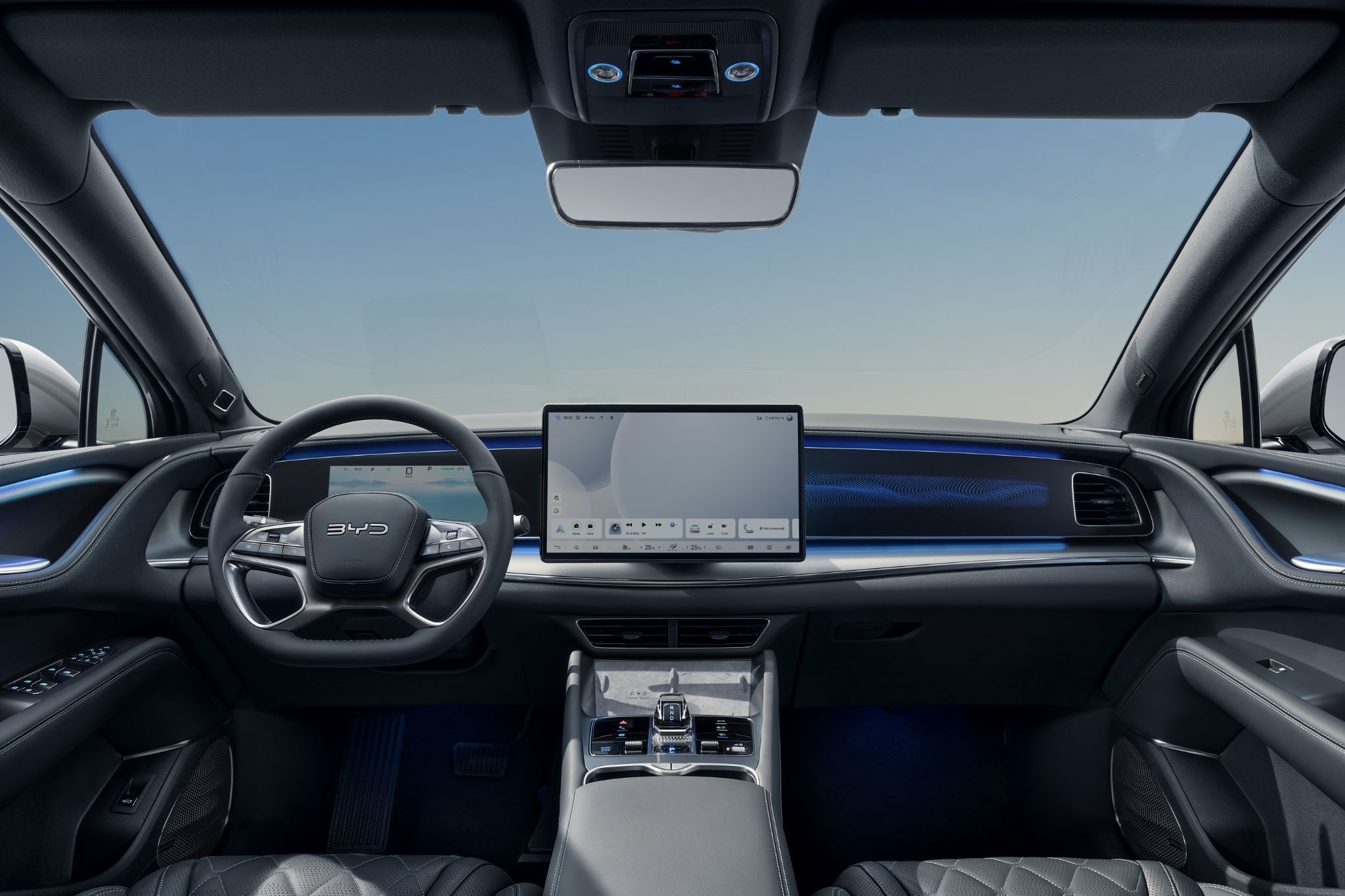
The interior exudes ultra comfort and elegance with its real stitching, nappa leather seats and 128-color adaptive ambience lighting that gives it a clean look. The seats have heating and the front row has an additional ventilation setting. The driver's seat is also equipped with electric and lumbar leg support.
The sound system houses 12 dynaudio speakers. In the center console, a 50w wireless phone charger is featured. And in front of it is a 15.6” rotating center touchscreen that can also be voice-controlled. Aside from the fully tech-loaded infotainment, it also has a Head-Up Display so you can stay focused on the road while keeping check of your car status.
The gear shift is smaller than usual but makes it easier to locate with just one hand. There are 8 cup holders, 4 in the front and 4 in the rear. A 50-watt wireless charger is also featured on the driver’s side.
On the steering wheel, physical buttons are retained so you can adjust the volume, air conditioner, and answer calls without looking at the screens.
At the top of the car is a panoramic glass sunroof perfect for viewing in scenic locations, whether in the city or in the province.
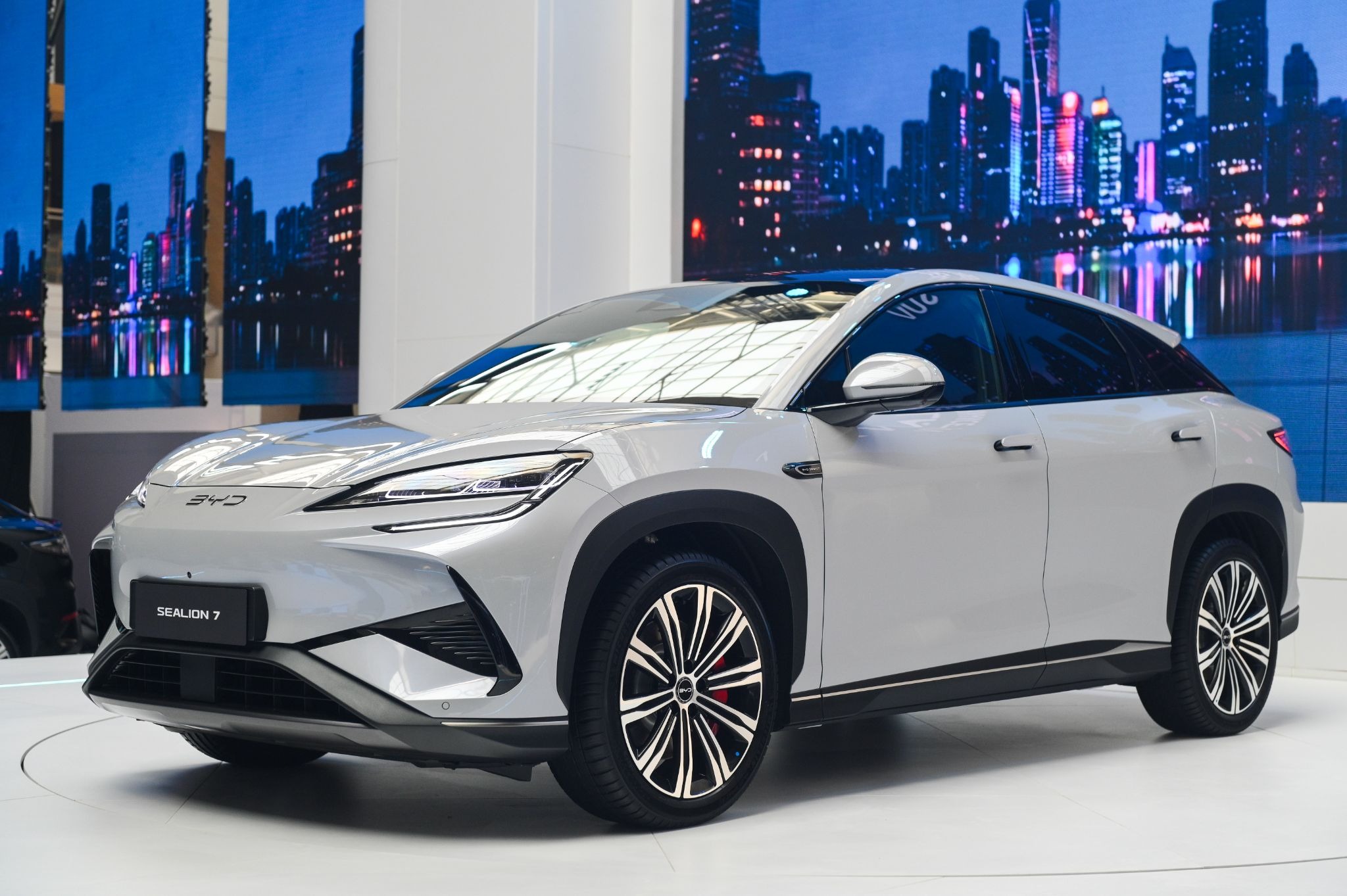
Now, here is the best part, let’s take a look at why the BYD Sealion 7 gives us high performance driving. This unit has an all wheel drive, 690 Nm of torque, a top speed of 215 km/h, and a horsepower of 530 hp. You can really feel its punch when driving especially since you can reach 0 to 100 km/h in just 4.5 seconds.
With the Sealion 7, long trips will be very fun and enjoyable with its range of 542 km. It also has a double-wishbone suspension in the front, and multilink suspension in the rear, with an addition of frequency selective damping shock absorbers. With that, you can say, bumpy rides are officially not your problem anymore.
It is, of course, filled to the brim with safety features like DiPilotADAS, 9 airbags, front and rear parking sensors, and 360° Panoramic cameras.
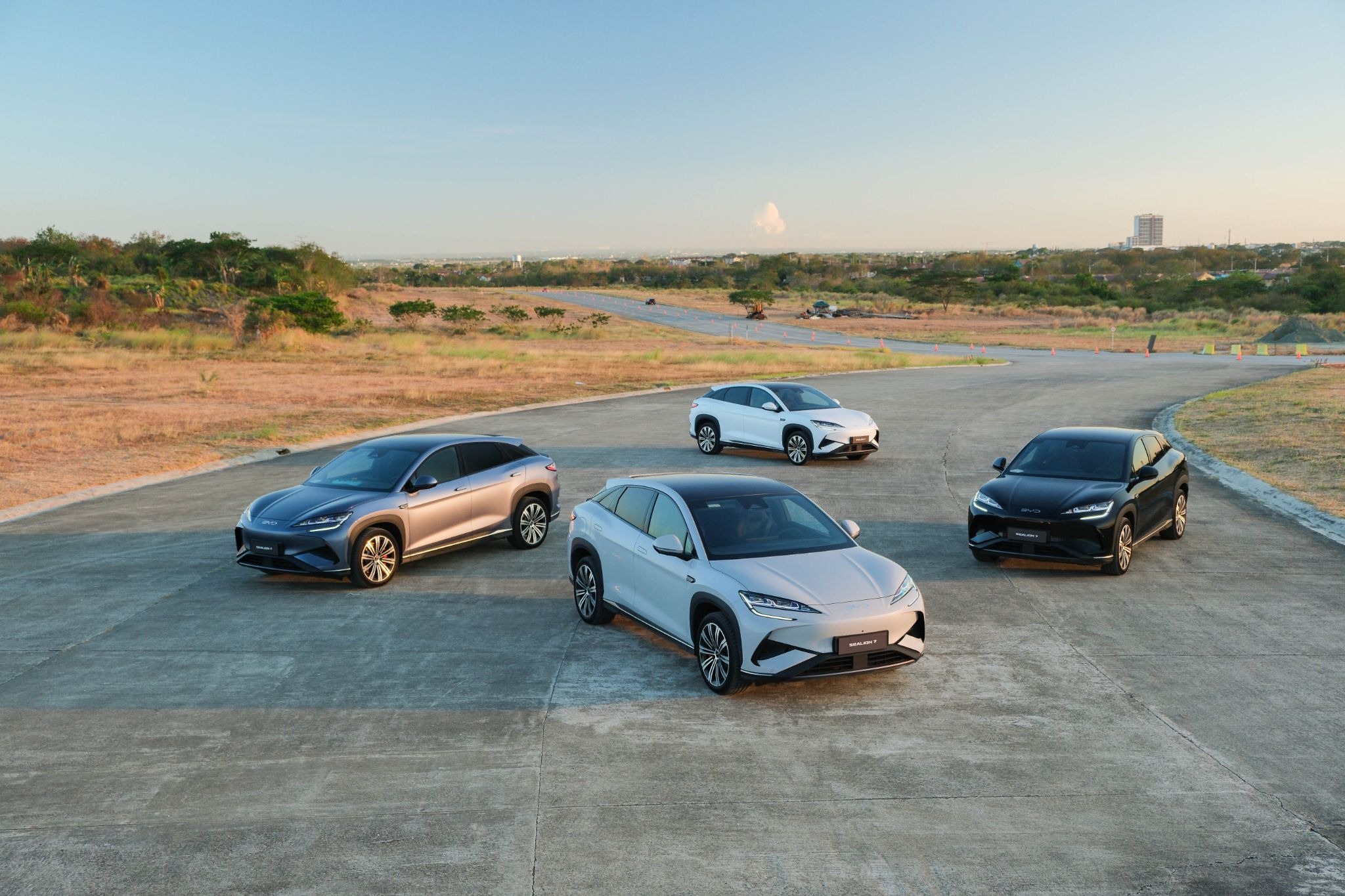
Range anxiety will no longer be a problem because the Sealion 7 comes with a home wall charger, portable charger, and a V2L adapter. Its charging time is only 30 mins with the DC charger, which will take you from 30-80%, while its AC charger takes 16 hours to go from 15% to 100%. And of course, while you’re on the go, BYD has over 200 AC mobility charging stations that you can access and view in the Evro application. BYD Philippines has actually taken the unit from Pagudpud, the tip of Luzon, and all the way down to GenSan,in Mindanao.
Even Philippine floods are no match for this powerhouse because its BYD Blade Batteries are sealed, and with no engine to get wet and ruined, it can easily wade through 163mm flood with no issues at all. But of course, as a general rule, as long as you can see the sidewalk, or water level is still half the wheels, crossing floods is still okay.
The estimated preventive maintenance cost is just around 3,000 pesos a year. And since BYD has 81 dealerships nationwide, replacing and securing new parts is hassle-free.
With a price of Php 2,588,000, ís the BYD Sea Lion 7’s features worth it for you? Let us know in the comment section, Ka-Manibela!
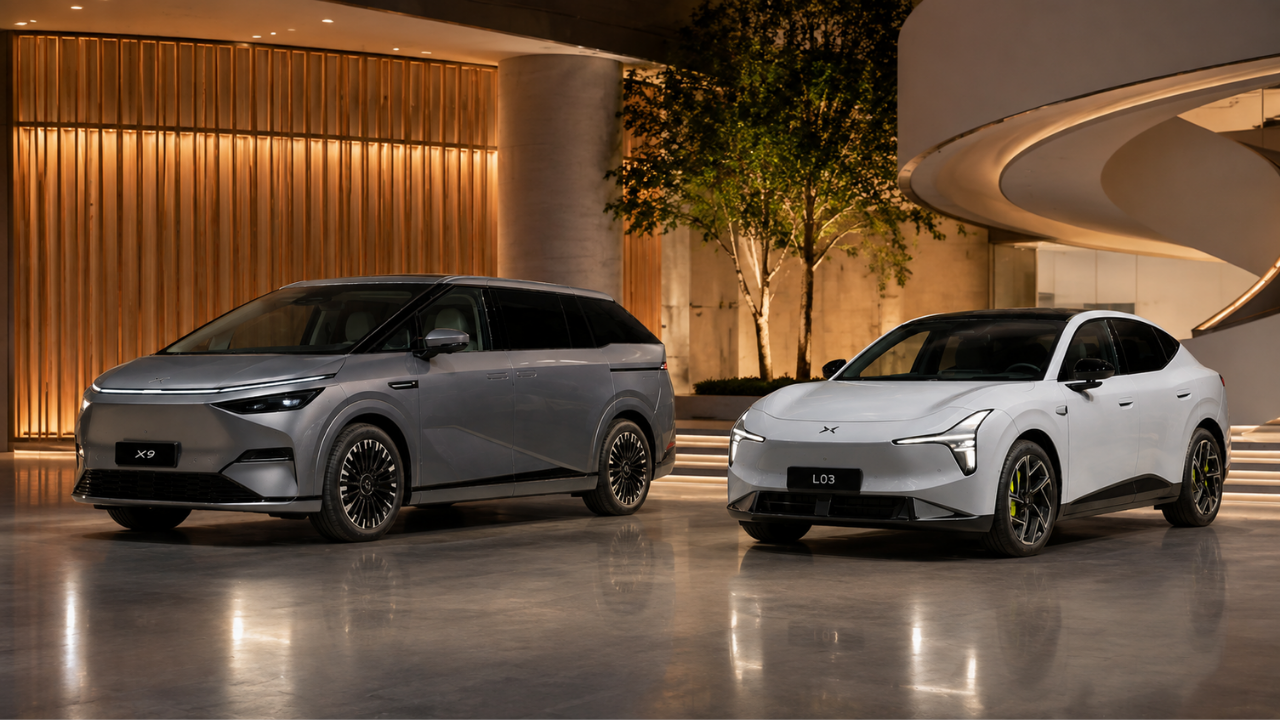
XPENG will officially enter the Philippine market this September, bringing two electric vehicle models and a new concept: AI Mobility.
They will soon debut the XPENG X9, their flagship 6-seater that blends cutting-edge technology with executive comfort for contemporary families, business executives, and professionals. Along with it is the launch of XPENG L03, a sportier model that brings AI-driven intelligence to everyday mobility through an enhanced dynamic and intuitive driving experience.
XPENG describes this as Physical AI, or artificial intelligence that can perceive, understand, and interact with the real world to make journeys safer, easier, and serve the drivers' needs more efficiently. According to Sam Chu, General Manager for Southeast Asia, XPENGT, their goal is to create the next generation of mobility, not just in terms of how cars are powered but also in terms of how well they serve their users, as well as changing their abilities and what they can comprehend
The individuals behind XPENG's technology demonstrate the extent of their dedication for over 40% of the company's workforce, or 8,845 employees, were working in research and development as of the end of 2025. They cover AI, software, robotics, intelligent driving, vehicle engineering, and advanced mobility proving that XPENG builds intelligence from the ground up, not as a feature tacked onto a traditional car.
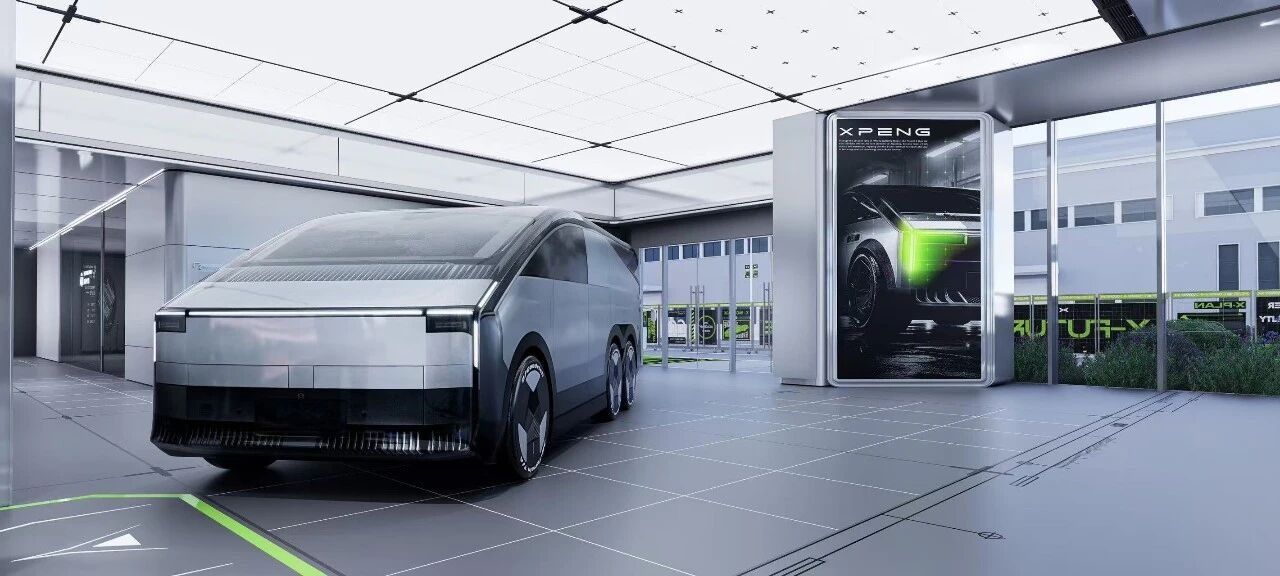
XPENG's vision for Physical AI extends beyond cars into three areas.
IRON, its humanoid robot, applies XPENG's AI to movement and interaction in the real world. It's being developed for repetitive or physically demanding tasks, with plans to deploy IRON as a guide in XPENG retail locations as it nears mass production.
ARIDGE, XPENG's affiliated low-altitude mobility company, is developing the Land Aircraft Carrier, a ground vehicle with a detachable electric aircraft. Beyond personal travel, it could eventually serve for emergency response and hard-to-reach locations, which could be especially relevant in an archipelago like the Philippines. These applications remain subject to further development, infrastructure, and regulation.
XPENG also possesses smart factories that use AI-driven automation and connected production systems to improve manufacturing precision and efficiency behind the scenes to build a better vehicle.
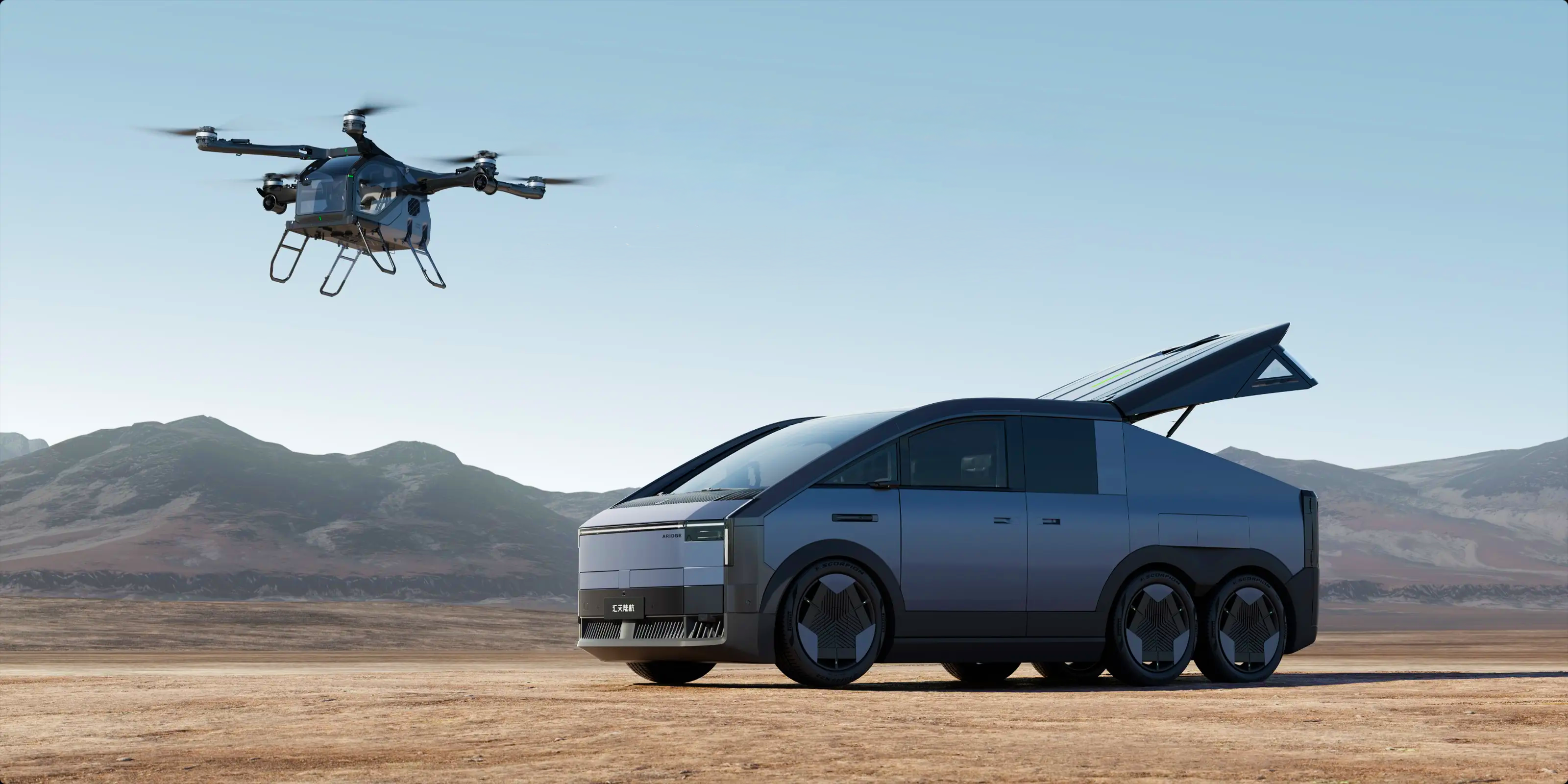
IRON, ARIDGE, and XPENG's smart factories show that XPENG's AI, software, and sensing expertise isn't limited to cars. The car is just one application of XPENG's technology; it's simply where that tech touches daily life most directly.
As more car brands enter the Philippines, differences in range, design, and price will shrink, making a vehicle's intelligence and tech ecosystem the new differentiator. That is the space XPENG wants to own with "AI Mobility." Its arrival is not just another new brand; it is a company that sees EVs not as the end goal, but as the clearest expression of a broader AI ecosystem.
